



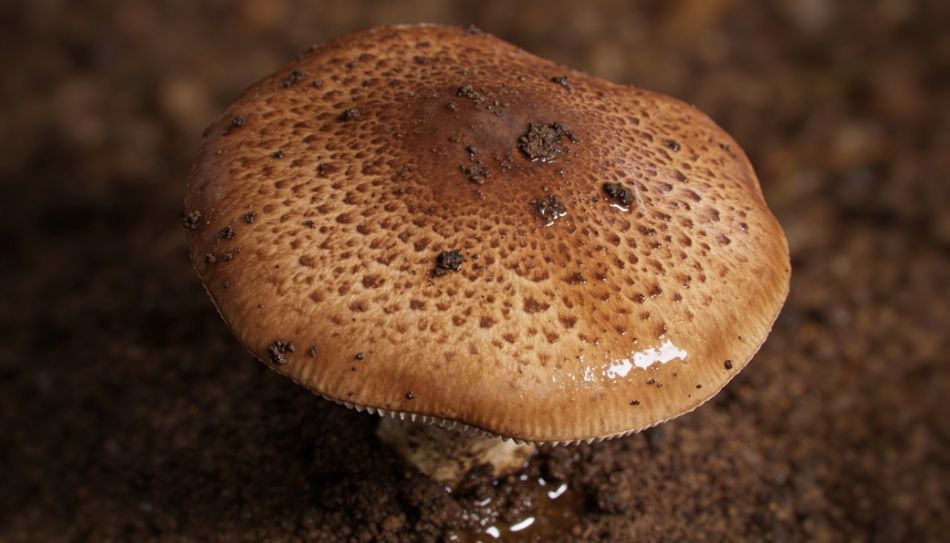
In the vast and fascinating kingdom of fungi, few specimens manage to strike the observer with the same intensity as an unexpected encounter with Agaricus augustus, known in Italy as giant meadow mushroom, majestic meadow mushroom, or simply majestic agaric mushroom. When you come across this mushroom in a coniferous forest during the cool hours of an autumn morning, the first sensation is that of encountering something extraordinary: a cap that can reach 25–30 centimeters in diameter, covered with a mosaic of fibrous brownish-gold scales on an ivory background, topped by a robust stem bearing a wide, membranous ring worthy of a king. But it is the scent that definitively captivates: an intense, sweet, and penetrating aroma of bitter almonds or star anise, spreading through the dense, humid air of the undergrowth, making this mushroom immediately and unmistakably recognizable to the eyes (and especially the nose) of the experienced mycologist.
Agaricus augustus belongs to the large genus Agaricus, one of the richest and most diversified fungal groups on the planet, comprising over 300 species distributed across all continents. The name Agaricus derives from the ancient Greek agarikon, a term used generically for mushrooms in classical antiquity, formalized by Carl von Linné in his monumental work Species Plantarum of 1753. Among all representatives of the genus, Agaricus augustus stands out for its exceptional size, the elegance of its morphology, and its excellent organoleptic qualities that make it one of the most sought-after prizes by expert foragers throughout Europe. Not coincidentally, the common English name for this mushroom is The Prince, emphasizing its regal bearing and culinary superiority among meadow mushrooms. In French, it is called Agaric des princes, while in German it is known as Kaiserchampignon, meaning the imperial champignon.
In this extremely detailed article, we will explore every aspect of Agaricus augustus: from its morphology to systematic taxonomy, from natural habitat to sustainable harvesting techniques, from nutritional properties to the extraordinary medicinal potential confirmed by the most recent scientific studies, to practical recipes for enhancing it in the kitchen. We will delve into cultivation techniques for mushrooms of the genus Agaricus with an illuminating comparison to practices that are now very accessible, such as growing Shiitake domestically, one of the most rewarding experiences for those wishing to explore mushroom cultivation. We will analyze the differences between the numerous species of the genus Agaricus (from Agaricus bisporus to campestris, from Agaricus blazei to the rarest Agaricus augustus var. perrarus) and answer with precision the most frequent questions from foragers, chefs, nutritionists, and enthusiasts.
In this article...
Taxonomy and scientific classification of Agaricus augustus
To fully understand Agaricus augustus and its place in the kingdom of living beings, it is essential to start with its systematic position within modern mycological taxonomy. The classification of fungi has undergone profound revolutions in the last half-century, thanks especially to the advent of molecular DNA analyses that have overturned (and reconstructed on much more solid foundations) the phylogenetic relationships between species. Agaricus augustus today occupies a precise and well-defined place within this systematic hierarchy, and understanding this context helps to understand why it possesses the morphological, ecological, and biochemical characteristics that distinguish it.
Complete systematic position
| Taxonomic rank | Name | Notes |
|---|---|---|
| Kingdom | Fungi | The kingdom of fungi, heterotrophic eukaryotic organisms |
| Division | Basidiomycota | Fungi with spores produced on basidia |
| Class | Agaricomycetes | The class richest in macrofungal species |
| Order | Agaricales | Includes most gilled mushrooms |
| Family | Agaricaceae | Characterized by brownish spores in mass |
| Genus | Agaricus | Over 300 species worldwide |
| Species | Agaricus augustus Fr. | Described by Elias Magnus Fries in 1838 |
Nomenclatural history
Agaricus augustus was first described by the great Swedish mycologist Elias Magnus Fries in 1838 in the work Epicrisis Systematis Mycologici. Fries, considered the "father of modern mycology," placed it in the genus Agaricus with the specific epithet augustus (magnificent, august, worthy of veneration in Latin). The most relevant historical synonyms include: Psalliota augusta (Fr.) Quél. (1872), Fungus augustus (Fr.) Kuntze, and Agaricus perrarus Schulzer, now considered a variety (var. perrarus). The currently valid name recognized by Index Fungorum is Agaricus augustus Fr., 1838.
The genus Agaricus: a universe of 300 species
With over 300 described species, the genus Agaricus is distributed across all continents and occupies highly diverse ecosystems. The term Agaricus etymologically derives from the ancient Greek ἀγαρικόν (agarikón), which in classical literature indicated a medicinal mushroom from the region of Sarmatia. The unifying characteristic of the genus is the presence of spores in mass of chocolate-brown color (brown spore print), which distinguishes meadow mushrooms from Amanita (white spore print) and Russula. All Agaricus species have a partial veil that forms a ring on the stem, gills that change from white-pink to dark brown with maturation, and flesh that may react with color change when cut.
The section Flavescentes
Agaricus augustus belongs to the section Flavescentes, characterized by: large fruiting bodies, fibrous brownish-ocher scales on a white-cream cap background, characteristic bitter almond odor (benzaldehyde), flesh that turns slightly pale yellow at the stem base when cut, and a predominantly woodland habitat, preferably under conifers. The section includes some of the most prized species of the genus, including Agaricus macrosporus (greater meadow mushroom).
Meadow mushroom, agaric, agaric fungus: what do these terms mean?
The popular Italian term prataiolo derives from "prato" (meadow), but despite the name, not all meadow mushrooms grow in meadows: Agaricus augustus is essentially a forest mushroom. The term agaric fungus (or agaric mushroom) is used in scientific contexts for all members of the genus Agaricus. The name giant meadow mushroom or giant agaric mushroom refers specifically to Augustus due to its exceptional size. The term greater meadow mushroom more properly designates Agaricus macrosporus, although in common practice the two names are often confused. The conglobated agaric is instead Agaricus conglobatus, a distinct species that grows in dense clusters—not to be confused with Augustus, which fruits singly or in small groups.
General description: the giant meadow mushroom at a glance
Describing Agaricus augustus to someone who has never seen it is an almost poetic experience, because this mushroom possesses a rare stage presence in the mycological world. It is not simply a large mushroom: the giant meadow mushroom is a large mushroom with style, with an aesthetic coherence that manifests in every part of it. Understanding how it looks, how it smells, and how it behaves when handled is the first step to recognizing it in nature with confidence.
General appearance
Agaricus augustus immediately strikes with its outsized dimensions: a cap between 10 and 25 centimeters in diameter, with exceptional documented cases up to 30 cm. The stem typically measures 8–15 cm in height and 3–5 cm in diameter. The overall weight of a single fruiting body can reach and exceed 500 grams. The overall color is a spectacle of contrasts: the cap background is white-cream or ivory, upon which stands out a dense mosaic of fibrous scales in ocher, brownish-ocher, or golden-brown, arranged concentrically. The stem is white with a characteristic double membranous ring. The gills, covered by the white veil in the juvenile phase, initially appear pale pink and progressively turn to chocolate brown with maturation.
The scent: the unmistakable calling card
If there is one sensory element that distinguishes Agaricus augustus from almost all other mushrooms, it is its fragrance. The odor of bitter almonds, intense and penetrating, is produced by benzaldehyde, a natural aromatic organic compound also found in bitter almonds, cherry pits, and amaretto. In some descriptions, a note of anise or marzipan is added. This odor is so characteristic and powerful that, once memorized, it becomes an almost infallible identification tool. The presence of benzaldehyde is relevant not only for identification but also for culinary implications: when cooked, the fragrance changes but remains recognizable, contributing to the complex aromatic character of this agaric mushroom.
The cut test: color change reaction
A fundamental characteristic of Agaricus augustus is the behavior of the flesh when cut. When sectioning the fruiting body, the white flesh of the cap remains substantially white or slightly yellowish. In the stem base, one may observe a slight change to pale yellow within a few minutes—very subtle, never intense. This color change is qualitatively different from the almost fluorescent chrome yellow of Agaricus xanthodermus (toxic), and is one of the key elements for distinguishing the two species.
What is the augustus meadow mushroom? Identity and uniqueness
Asking what is the augustus meadow mushroom—or what is the Agaricus augustus mushroom—leads to an answer that goes beyond simple botanical classification. It is a saprophytic forest fungus, a decomposer of dead organic matter, that does not establish mycorrhizal symbiotic relationships with tree roots. This means it can grow in any environment with sufficient decomposing organic matter: forests, parks, historic gardens, tree-lined road margins. The majestic agaric mushroom is an evolutionarily ancient organism, with a history probably dating back tens of millions of years, and its ability to degrade complex lignocellulosic materials makes it one of the fundamental actors in the biogeochemical cycles of forest ecosystems.
Detailed morphological characteristics: cap, stem, gills, flesh, and spores
An in-depth morphological analysis of Agaricus augustus is indispensable both for the mycologist who wishes to correctly identify it in nature, for the researcher studying its biological properties, and for the chef who wants to best enhance its meaty structure. Each morphological character (cap size, gill shape, veil type, spore structure) reflects precise evolutionary strategies related to propagule dispersal, protection from predation, and ecological relationships with the environment.
The cap (pileus)
In the juvenile phase, the cap of Agaricus augustus appears hemispherical or globular, with the margin still curved downward. With growth, it first assumes a convex shape, then plane-convex, and finally, in older specimens, almost flattened with the margin sometimes wavy. Dimensions typically vary between 8 and 20 cm in diameter in adult specimens, with exceptional cases at 25–30 cm. The cap surface is its most characteristic element: the background is white-cream, ivory, or pale yellow, upon which develops a dense mosaic of fibrous scales in ocher, brownish-ocher, or golden-brown, denser and darker at the center, dispersing toward the margin. These are not rigid scales but partially separated cuticular fibers from the surface, almost appressed pilosity. The cuticle is of trichoderma type, not easily separable and not viscid even under high humidity conditions.
The stem (stipe)
The stem of Agaricus augustus is robust, solid, cylindrical or slightly clavate in shape, white in color with possible yellowing upon handling. Typical dimensions are 8–15 cm in height and 2–5 cm in diameter. In longitudinal section, it appears solid in young specimens, pithy in older ones. The most striking feature is the ring: double, wide, membranous, white on the upper side and tending to grayish-brownish on the lower side due to deposition of mature spores. The ring is persistent in fresh specimens, does not fall off easily, and on its lower side shows a characteristic radial ornamentation. The stem base does not have a volva, a fundamental element that distinguishes all Agaricus from the potentially lethal Amanita.
The gills (hymenium)
The gills of Agaricus augustus are free (not attached to the stem), crowded, numerous, with intercalated lamellulae, and show a characteristic color evolution: in very young specimens (veil intact) they are whitish-gray or slightly pinkish; in specimens at full maturity they become antique pink or pinkish-brown; in older specimens they turn to dark chocolate brown. This chromatic progression, never white in adults, is the most important differential criterion for distinguishing Agaricus from white Amanitas (which always have white gills). On an adult cap of 15 cm, one can easily count 400–600 complete gills plus as many lamellulae.
The flesh (trama)
The flesh of Agaricus augustus is thick (2–3 cm at the center of the cap), firm, compact, pure white in the cap and upper part of the stem, with slight change to pale yellow-cream in the stem base after a few minutes from cutting. The consistency is almost similar to animal meat: firm but not fibrous, it maintains its texture even when cooked without dissolving or becoming rubbery. The water content is about 90% by fresh weight, but the dense protein structure withstands high cooking temperatures well.
Spores and spore print
| Characteristic | Value for A. augustus |
|---|---|
| Shape | Ellipsoidal or sub-ovoid, with slightly conical apex |
| Dimensions | 7–9 × 4.5–6 µm |
| Color of single spore | Brownish-purple under microscope |
| Spore print in mass | Dark chocolate brown |
| Surface | Smooth, without ornamentation |
| Reaction to Melzer | Weakly dextrinoid |
The spore print in mass, obtained by placing the cap on white paper for a few hours, is dark chocolate brown, characteristic of the entire genus Agaricus and fundamental for distinguishing meadow mushrooms from Amanitas (white spore print). A single mature fruiting body can release between 5 and 10 billion spores within 24–48 hours.
Veils and accessory structures
Agaricus augustus possesses a partial veil (the thin membrane that protects the developing gills) but not a universal veil. The partial veil, tearing with the opening of the cap, remains attached to the stem as a ring. In some specimens, fragments of the veil also remain on the cap edge as irregular white threads, visible only in fresh specimens. The complete absence of a basal volva is a fundamental structural difference compared to Amanitas and must always be verified by digging the mushroom down to the base before consumption.
Habitat and geographic distribution of Agaricus augustus
Precise knowledge of the preferred habitat of Agaricus augustus is of fundamental importance for the forager who wishes to find it in nature, for the researcher studying its ecology, and for anyone wishing to attempt its cultivation. Every mushroom is intimately linked to its reference ecosystem, and the giant meadow mushroom is no exception: its specific ecological requirements determine geographic distribution and seasonal phenology with surprising precision.
Preferred ecosystems
| Habitat type | Details | Frequency |
|---|---|---|
| Coniferous forests | Pines (sylvestris, pinaster, nigra), firs (white, red), cedars, larches | Very frequent, preferred habitat |
| Mixed forests | Associations of pine + oak, beech, chestnut | Frequent |
| Urban parks | In presence of cedars, cypresses, ornamental pines | Relatively frequent |
| Deciduous forests | Oak woods, beech forests, chestnut groves | Less frequent |
| Forest margins | Forest trails, clearings, edges of forest roads | Frequent |
The preferential association with conifers is not of mycorrhizal type but depends on the humus rich in pine needles that offers an ideal organic substrate. The resin and terpenes present in conifer litter seem to favor the development of Agaricus mycelium, probably thanks to their antibacterial action that reduces microbial competition.
Characteristics of ideal soil
Substrate rich in organic matter: thick litter of needles, leaves, and decomposed wood in advanced stage of humification
Slightly acidic-neutral pH: pH between 5.5 and 7.0, preferably around 6–6.5
Good structure and drainage: loose or loamy-clay soils, not compacted
Presence of organic nitrogen: the species benefits from nitrogen inputs from vegetable decomposition or animal excrement
Absence of chemical pollution: like all saprophytic fungi, it can accumulate heavy metals in contaminated soils
Worldwide geographic distribution
Agaricus augustus is a species with a broad Holarctic distribution. Its distribution covers: Europe (from Ireland to western Siberia, from Scandinavia to the Mediterranean); Temperate Asia (Japan, northern China, Korea, Himalayas); North America (US Pacific coast, mountainous regions of Colorado, northeast, Canada); North Africa (mountainous wooded areas of Morocco and Algeria); Latin America (southern Chile and Argentina, probably introduced with conifer plantations).
Distribution in Italy
In Italy, Agaricus augustus is present throughout the peninsula with greater frequency in mountainous and sub-mountainous areas with coniferous forests. The most regular finding areas include:
- Alpine arc (Aosta Valley, upper Piedmont, Lombardy, Trentino, Veneto, Friuli—wherever with Scots pine, larch, fir forests);
- Northern and central Apennines (Ligurian, Tuscan-Emilian, Umbrian-Marche Apennines, in mixed woods with black and white pines);
- Urban parks (Milan, Rome, Turin, Florence, Bologna—with old plantings of cedars and pines);
- Sicily and Sardinia (inland mountainous areas, especially in pine reforestation).
The species is considered relatively common but not abundant: it is usually found scattered, with 2–5 specimens per site.
Seasonality: when to find Agaricus augustus
Alpine zones (above 800 m a.s.l.): July–October, peak August–September
Apennine zones (400–800 m): September–November, peak October
Coastal and hilly zones: October–December, sometimes March–May
The triggering factor is almost always the combination of abundant rainfall (at least 20–30 mm in 24 hours) followed by 5–7 days of moderate temperatures (15–22°C). Agaricus augustus tolerates relatively high temperatures well (up to 25°C) as long as soil moisture is sufficient. Keeping a "mycological diary" noting date, temperature, rainfall, and findings allows identification of fruiting patterns specific to one's territory within a few years.
Life cycle and development: from spore to mature fruiting body
The life cycle of Agaricus augustus is an extraordinarily complex biological pathway articulated in well-distinct phases, each governed by precise environmental conditions and biochemical processes. The growth of a fruiting body (from microscopic spore to magnificent adult specimen weighing half a kilo) is the result of weeks or months of "invisible" work by the mycelium in the substrate, then condensed into a few days of explosive growth of the fruiting body.
Spore germination and primary mycelium
Everything begins with a single ovoid, brown spore. Under favorable humidity and temperature conditions, the spore emits a germ tube that elongates forming the first hyphae, microscopic filaments a few micrometers in diameter. This primary mycelium (monokaryotic) is not capable of producing fruiting bodies autonomously: it must first encounter and fuse with another sexually compatible mycelium. Sexual compatibility in the genus Agaricus is regulated by a complex bifactorial system with thousands of different "mating types." The fusion between compatible hyphae produces the dikaryotic secondary mycelium, with cells containing two genetically different nuclei.
Secondary mycelium and substrate colonization
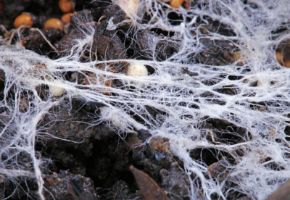
The dikaryotic secondary mycelium is the dominant and longest-lasting phase of the life cycle. This network of hyphae expands through the organic substrate, actively degrading cellulose, hemicellulose, and lignin through extracellular enzymes (ligninases, cellulases, polyphenol oxidases). A single individual can expand for several years in the substrate, forming mycelial networks of several square meters. Under favorable conditions, it forms rhizomorphs (multi-layered mycelial cords) that allow rapid distribution of water and nutrients. The mycelial phase can last from a few months to several years before conditions for fruiting body formation are reached.
Induction of fruiting
The transition to fruiting body is induced by specific environmental signals: lowering of temperatures after a warm period, abundant precipitation that increases substrate moisture beyond 60–70%, variations in soil CO₂ concentration, and sufficient accumulation of mycelial biomass. Once fruiting is induced, the mycelium begins to condense into small nodes called primordia (tiny white buttons visible to the naked eye) that will each develop into a fruiting body.
Fruiting body development: from "egg" to mature mushroom
The development of the fruiting body follows precise stages:
- Globular phase (0–3 days): spherical white compact primordium, 1–3 cm, all internal structures already outlined
- Ovoid phase (3–5 days): egg-shaped body, veil intact, stem elongating
- Campanulate phase (5–7 days): cap begins to open, veil tears, brown scales appear, ring visible
- Open phase (7–10 days): cap open, gills exposed, spores maturing, maximum dimensions
- Senescence (10+ days): gills dark brown, cap margin turning upward, flesh softening
The growth rate during maximum development is impressive: the fruiting body grows 1–3 cm per day under optimal conditions. This explains why finding sites often contain young, perfect specimens just a few days after a previous outing.
Spore dispersal
Spore production and release proceeds for 2–4 days with circadian rhythm: spores are released preferentially during nighttime and early morning hours (higher relative humidity). Spores are actively projected from the basidium ("Buller's drop" mechanism) and then passively dispersed by wind. Spore survival in soil can be several years under favorable conditions, ensuring species continuity even in years of poor fruiting.
How to identify Agaricus augustus: practical identification guide
Being able to recognize Agaricus augustus with certainty in nature is the fundamental skill for anyone who wants to harvest and consume it safely. Correct identification is never a solitary act nor improvised: it requires study, practice, and willingness to stop when there is even the slightest doubt. Fortunately, Agaricus augustus possesses such a characteristic combination of morphological and olfactory traits that, once learned, makes confusion with potentially lethal species difficult.
Identification checklist: seven fundamental characteristics
| Characteristic | Agaricus augustus (edible) | Importance |
|---|---|---|
| Odor | Intense bitter almond / anise / marzipan | ★★★★★ Fundamental |
| Cap | 10–25 cm, fibrous brownish-ocher scales on cream background | ★★★★☆ Very important |
| Gills | Free, pinkish-gray when young, dark brown when mature | ★★★★☆ Very important |
| Ring | Double, wide, membranous, persistent | ★★★★☆ Very important |
| Color change when cut | Slight pale yellow at stem base—NEVER chrome yellow | ★★★★★ Fundamental |
| Spore print | Dark chocolate brown | ★★★☆☆ Confirmation |
| Absence of volva | No basal sac at the root | ★★★★★ Fundamental (safety) |
How to perform the cut test: step by step
Obtain a clean knife in stainless steel
Cut the stem base cleanly with a sharp transverse cut
Immediately observe the color of the cut flesh: it should be white or slightly yellowish in a subtle manner
Wait 2–3 minutes: if the color change is to pale yellow-cream, gradual and subtle, you are likely facing Augustus
Evaluate the intensity: if the cut turns instantly to bright, vivid, almost fluorescent yellow—the mushroom is with high probability the toxic Agaricus xanthodermus
Smell the cut: Augustus will give a pleasant almond scent; xanthodermus will emit an odor of carbolic acid or medicines
How to recognize meadow mushrooms in general
The common characteristics of all Agaricus, the meadow mushrooms, that allow them to be classified in the genus are:
- presence of a ring on the stem (remnant of the partial veil);
- absolute absence of basal volva (distinguishes from Amanita);
- gills never white in adults—always change from pink to brown (distinguishes from Amanita);
- brown spore print in mass;
- white flesh that may turn yellow or red when cut, never green or blue;
- characteristic odor—musky, almond-like, or unpleasant depending on the species.
Similar species and risk of confusion: toxic and edible Agaricus compared
One of the most delicate issues, and most important from a food safety standpoint, concerns the distinction between Agaricus augustus and similar species with which it could be confused. In the genus Agaricus coexist excellent species and toxic species (not deadly but capable of causing even severe intoxications), and some of these can be superficially similar to the giant meadow mushroom. Outside the genus Agaricus, the most dangerous (and in some cases deadly) confusion is with some Amanitas in the earliest stages of development.
Agaricus xanthodermus, the main toxic meadow mushroom
Agaricus xanthodermus (yellow-staining champignon) is the main toxic meadow mushroom in Europe and the most frequent cause of Agaricus intoxications in Italy. It is not deadly but causes serious gastrointestinal disturbances (nausea, vomiting, diarrhea, abdominal pain) typically within 30 minutes–2 hours after ingestion.
| Characteristic | A. augustus (edible) | A. xanthodermus (TOXIC) |
|---|---|---|
| Odor | Bitter almond / anise, pleasant | Carbolic acid / ink / medicines—unpleasant |
| Color change when cut | Slight pale yellow, subtle, at stem base | Vivid chrome yellow, immediate, extensive |
| Habitat | Coniferous forests, tree-lined parks | Meadows, urban gardens, road margins |
| Cap size | 10–25 cm | 5–12 cm (generally smaller) |
| Cap scales | Brownish-ocher, fibrous and evident | Whitish or grayish, less evident |
Agaricus placomyces and Agaricus moelleri and other toxic meadow mushrooms
Agaricus placomyces and Agaricus moelleri are toxic species with symptoms similar to xanthodermus. Placomyces has gray scales on a white background; moelleri has symmetrically arranged dark-gray scales. Both present the same intense chrome-yellow color change and unpleasant carbolic odor that distinguishes them. They prefer urban habitats (parks, gardens, road margins) more than coniferous forests. To answer the question "which Agaricus are toxic?": mainly xanthodermus, placomyces, and moelleri in Europe, plus Agaricus californicus in North America.
How to safely recognize Agaricus campestris
For those wondering how to recognize Agaricus campestris: the common meadow mushroom has a white or whitish-gray cap without evident dark scales (5–12 cm), simple ring (not double), vivid pink gills in young specimens (much more intense than those of young Augustus), exclusive growth in fertilized meadows and pastures (never in coniferous forests), pleasant fungoid odor (never almond-like). Distinction from Augustus is easy by habitat, size, and cap appearance. The difficulty with campestris is rather the distinction from toxic xanthodermus that can grow in the same meadows: the cut test is always recommended.
How to recognize the toxic meadow mushroom: practical summary
To concisely answer the question "how to recognize the toxic meadow mushroom": the most reliable warning sign is always the vivid and immediate chrome-yellow color change of the flesh at the stem base when cut, accompanied by the unpleasant odor of carbolic acid or medicines. If both these signals are present, the mushroom is almost certainly toxic and must absolutely be discarded.
Amanita phalloides, the deadly danger
The most dangerous confusion of all is between young globular Agaricus specimens and young specimens of Amanita phalloides (death cap) still enveloped in the universal veil. The distinction is simple by digging the mushroom down to the base: young Amanitas always present a volva (basal membranous sac) absent in all Agaricus; opening the sphere with a vertical cut, Amanitas show white gills (never pink), and are practically odorless. Amanita phalloides and Amanita verna are lethal: a single cap can cause death by fulminant liver failure. The golden rule is: in case of doubt, never collect.
Agaricus macrosporus, the greater meadow mushroom, edible confusion
Agaricus macrosporus (greater meadow mushroom) is the edible species most similar to Augustus. It differs by: lighter cap, almost white with less visible scales; significantly larger spores (8–11 × 5.5–7.5 µm); very subtle or absent color change when cut; preference for more open habitats. The distinction is mainly of taxonomic importance, since both species are edible of excellent quality.
Agaricus augustus var. perrarus: the extremely rare variety
Among the varieties of Agaricus augustus, the most interesting (both from a scientific standpoint and for its extreme rarity) is certainly the variety perrarus. The name (perrarus in Latin means "very rare," "extremely rare") already indicates its main characteristic: the difficulty of finding it, making it one of the most sought-after and coveted Agaricus by expert mycologists and foragers in Europe.
What is Agaricus augustus var. perrarus?
Agaricus augustus var. perrarus (or Agaricus augustus var perrarus in correct spelling) was originally described by Stephan Schulzer von Müggenburg in the 19th century as an autonomous species under the name Agaricus perrarus. Modern taxonomy has recombined it as a variety of Augustus, although the debate is still open: some preliminary molecular analyses hypothesize that it may be a distinct entity worthy of reevaluation. The main macroscopic characteristic that distinguishes it is the cap pigmentation: practically uniform white or white-cream, with barely hinted scales in cream-grayish color rather than brown. Flesh, odor, color change, ring, and habitat are substantially identical to the typical form.
Where is Agaricus augustus var. perrarus found?
The answer to the question "Where is Agaricus augustus var. perrarus found?" is not simple precisely because of its extreme rarity. The most reliable documented reports come from: some Alpine areas of Trentino and Veneto and from the central Tuscan-Umbrian Apennines in Italy; mountainous areas with old fir and larch forests in Austria and southern Germany; counties in southwestern England in Great Britain; the Massif Central and eastern Pyrenees in France. The scarcity of reports may be partly due to the difficulty of distinguishing it from the typical form (cap pigmentation can be variable even in the typical form under strong sunlight) and partly to a real biological rarity.
Scientific interest
From a biochemical standpoint, the different cap pigmentation suggests different production of melanins and phenolic compounds, potentially associated with differences in antioxidant composition. Some preliminary analyses have suggested slightly different beta-glucan contents compared to the typical form, but systematic comparative studies on large samples have not yet been published.
The genus Agaricus: bisporus, campestris, blazei, and other species
To fully contextualize Agaricus augustus and answer questions like "what mushroom is Agaricus bisporus?" or "what mushrooms are Agaricus bisporus?" or "which are the edible meadow mushrooms?", an overview of the main species of the genus Agaricus is useful, with their distinctive characteristics, nutritional values, and culinary or medicinal applications.
Agaricus bisporus — the common champignon
Agaricus bisporus is the most cultivated and consumed mushroom in the world.
What mushroom is Agaricus bisporus? It is the very common cultivated champignon, available in three main variants: white (var. albidus), cremini/avana (var. avellaneus), and portobello (giant form with open cap).
What mushrooms are Agaricus bisporus? They are the cultivated meadow mushrooms par excellence, the champignon mushroom found in all supermarkets. The name "bisporus" refers to the production of basidia with only two spores instead of the four typical of other Agaricus.
Worldwide production exceeds 4 million tons per year. From a culinary standpoint, it is more delicate but less aromatic than Augustus.
Agaricus blazei — the medicinal mushroom par excellence
Agaricus blazei (synonym: Agaricus subrufescens), known as "cogumelo do sol" in Brazil, is the species of the genus with the best scientifically documented medicinal properties.
What are the benefits of Agaricus blazei? Its properties include immunomodulatory, antitumor, and antioxidant activity extensively studied, particularly the high molecular weight beta-glucans. It is commercially available as dry extract, tincture, or powder as a supplement.
What are the contraindications of Agaricus blazei? Mainly: mushroom allergy, active autoimmune diseases, use of immunosuppressants, pregnancy and breastfeeding.
Agaricus campestris — the common meadow mushroom
The common meadow mushroom (Agaricus campestris) is the classic mushroom of meadows, appreciated for centuries in European folk cuisine. It grows in pastures, fertilized meadows, and grassy areas rich in nitrogen. Cap 4–12 cm, white or whitish-gray, classic fungoid odor. Edible but to be distinguished with care from toxic Agaricus xanthodermus that can grow in the same environments.
Summary table of main Agaricus species
| Species | Common name | Habitat | Edibility | Main notes |
|---|---|---|---|---|
| A. augustus | Giant meadow mushroom / The Prince | Coniferous forests | Excellent | Almond odor, large size |
| A. bisporus | Champignon | Cultivated | Good | Most cultivated worldwide |
| A. campestris | Common meadow mushroom | Fertilized meadows | Good | Vivid pink gills in young specimens |
| A. macrosporus | Greater meadow mushroom | Forest margins | Excellent | Large spores, white cap |
| A. silvicola | Forest meadow mushroom | Mixed forests | Good (with caution) | Weak yellow color change |
| A. blazei | Cogumelo do sol | Tropical/Cultivated | Good | Exceptional medicinal properties |
| A. xanthodermus | Yellow champignon | Meadows, gardens | TOXIC | Chrome yellow color change, carbolic odor |
| A. placomyces | Spotted meadow mushroom | Parks, gardens | TOXIC | Similar to xanthodermus |
| A. moelleri | Gray meadow mushroom | Parks, forests | TOXIC | Dark-gray scales, unpleasant odor |
Is the majestic meadow mushroom edible? Precautions and warnings
The answer to the question "is the majestic meadow mushroom edible?" is unequivocally yes: Agaricus augustus is an edible mushroom of excellent quality, considered by many European mycologists one of the best representatives of the entire genus Agaricus from a culinary standpoint. However, as with any wild mushroom, edibility is not an unconditional license to collect.
Is Agaricus augustus toxic?
Agaricus augustus is not toxic if correctly identified and well cooked. As with all mushrooms of the genus Agaricus (including the very common champignon), raw or undercooked consumption can cause mild gastrointestinal disturbances in some people, due to heat-labile substances. Therefore: never consume it raw; always cook it at temperatures above 70°C for at least 10–15 minutes; avoid consumption in excessive quantities in a single meal.
Agaricus augustus and heavy metal accumulation
Saprophytic fungi, including Augustus, have a considerable capacity to bioaccumulate heavy metals (cadmium, mercury, lead, arsenic) from soil. Therefore: avoid collecting near busy roads, industrial areas, landfills, or fields with intensive pesticide use; prefer uncontaminated forests far from pollution sources; moderate and sporadic consumption in clean areas poses no significant risks for healthy adults.
Suitable for vegetarian and vegan diets
Agaricus augustus is perfectly compatible with vegetarian and vegan diets. It offers a good quality protein profile with all essential amino acids, iron, zinc, and vitamins B2 and B3. Its meaty texture and intense flavor make it an excellent meat substitute in many traditional recipes. For vegans, it is one of the few non-animal food sources containing traces of vitamin B12 and vitamin D2 (if exposed to sunlight).
Nutritional properties of Agaricus augustus: composition and values
The nutritional properties of Agaricus augustus are of great interest to dietitians, nutritionists, and anyone wishing to eat consciously. Mushrooms of the genus Agaricus (and Augustus in particular) represent one of the most balanced and complete food sources in the landscape of non-animal foods: a rare combination of low caloric content, high protein content, prebiotic fibers, B vitamins, essential minerals, and unique bioactive compounds in the plant world.
Nutritional composition per 100 g fresh product
| Nutrient | Quantity per 100g fresh | % RDA adult | Notes |
|---|---|---|---|
| Energy | 22–30 kcal | ~1.5% | Low-calorie food |
| Water | 88–92 g | — | High water content |
| Proteins | 2.5–3.5 g | 5–7% | Complete amino acid profile |
| Total carbohydrates | 2.0–4.0 g | ~1.5% | Primarily polysaccharides |
| of which Beta-glucans | 0.5–1.2 g | — | Key immunomodulatory compounds |
| Total fats | 0.2–0.5 g | <1% | Primarily unsaturated |
| Total fiber | 1.0–2.5 g | 6–10% | Chitin + beta-glucans |
| Vitamin D (ergocalciferol) | 0.2–2.0 µg* | 2–20%* | *Increases with UV exposure |
| Vitamin B2 (riboflavin) | 0.35–0.45 mg | 25–30% | Excellent source |
| Vitamin B3 (niacin) | 3.5–5.0 mg | 25–35% | Excellent source |
| Vitamin B5 (pantothenic acid) | 1.0–2.0 mg | 20–40% | Good source |
| Folates (B9) | 15–25 µg | 7–12% | Discrete source |
| Potassium | 300–450 mg | 8–12% | Excellent source |
| Phosphorus | 100–150 mg | 15–20% | Good source |
| Selenium | 8–12 µg | 15–20% | Important antioxidant |
| Copper | 0.3–0.5 mg | 33–50% | Excellent source |
| Zinc | 0.5–0.9 mg | 5–9% | Discrete source |
| Iron | 0.5–1.0 mg | 4–8% | Non-heme iron |
Sources: data compiled from USDA Nutrient Database, EFSA, specialized literature on Agaricus spp. composition.
Agaricus mushroom proteins: complete amino acid profile
The protein content of 2.5–3.5% by fresh weight is notably complete in terms of amino acid profile: analysis of the amino acid composition of Agaricus augustus reveals the presence of all 9 essential amino acids, including lysine, leucine, isoleucine, and valine, often scarce in plant protein sources. This makes Agaricus augustus a particularly valuable protein source for those following vegetarian or vegan diets.
Mushroom vitamin D: a unique case in the plant world
Mushrooms are the only organisms in the non-animal world capable of synthesizing vitamin D in significant quantities. UV irradiation of ergosterol transforms it into ergocalciferol (vitamin D2), just as sunlight converts 7-dehydrocholesterol into vitamin D3 in human skin. Extraordinary practical implication: mushrooms left in the sun with gills facing upward for 30–60 minutes can multiply their vitamin D content by 10–100 times. Sun-exposed mushrooms thus represent one of the few plant-based food sources of vitamin D, of great importance for vegans and vegetarians at risk of deficiency.
Beta-glucans: the immunomodulating fibers
Beta-glucans are structural polysaccharides present in fungal cell walls and represent the most studied class of bioactive compounds in mycotherapy. In Agaricus augustus they occur primarily as glucose polymers with β-1,3 and β-1,6 linkages—a structure that makes them effective in interacting with the immune system. Dectin-1 receptors on innate immune cells specifically recognize fungal beta-glucans, activating an immunomodulatory response through the NF-κB pathway. Content in dried mushroom varies between 4 and 12% depending on growth conditions.
Ergothioneine: the exclusive mushroom antioxidant
Ergothioneine is a sulfur-containing amino acid synthesized exclusively by fungi (and some bacteria), which animals cannot produce autonomously. Human tissues with the highest concentration of ergothioneine are those at greatest risk of oxidative stress: erythrocytes, bone marrow, brain, ocular lens, liver, kidneys. The presence of a specific cellular transporter (OCTN1/SLC22A4) for ergothioneine has led many researchers to suppose it plays an essential biological role—some have proposed classifying it as a new "antioxidant vitamin." Agaricus augustus contains ergothioneine in the order of 500–2000 µg/g dry weight.
Dried vs fresh mushrooms: nutritional comparison
Dehydration concentrates all nutrients: protein content rises to 20–30% of dry weight, beta-glucans to 5–15%, minerals proportionally. Dried mushrooms are thus significantly more nutritious by equal weight, but the increase of all components must be taken into account, including less desirable ones like heavy metals.
Medicinal and therapeutic properties: what science says
The medicinal properties of Agaricus mushrooms, understood as a genus, have been the subject of intense scientific research for at least 40 years, with significant acceleration in the last decade thanks to advanced analytical technologies and the growing openness of conventional medicine toward bioactive natural compounds. Agaricus augustus has shown pharmacological properties of considerable interest in in vitro and in vivo studies.
Immunomodulatory activity
Immunomodulatory activity is the best-documented medicinal property of Agaricus mushrooms. Beta-glucans extracted from various Agaricus species have been shown to be capable of: activating macrophages increasing their phagocytic activity; stimulating production of pro-inflammatory cytokines (TNF-α, IL-1β, IL-6) selectively; activating Natural Killer (NK) cells specialized in destroying tumor cells; modulating Th1/Th2 response with potential applications in autoimmune diseases. The molecular mechanism is mediated by binding of beta-glucans to the Dectin-1 receptor, with activation of the NF-κB pathway.
Antioxidant properties
Oxidative stress is implicated in the pathogenesis of tumors, cardiovascular diseases, type 2 diabetes, and neurodegenerative diseases. Agaricus augustus contains a variety of antioxidant compounds:
| Antioxidant compound | Mechanism of action | Biological effect |
|---|---|---|
| Ergothioneine | Free radical scavenging, accumulation in at-risk tissues | Mitochondrial protection and cytoprotective |
| Organic selenium | Cofactor of antioxidant selenoproteins (GPx, Trx) | DNA protection, immunostimulation |
| Polyphenols | Direct neutralization of free radicals | Anti-inflammatory, anti-atherogenic |
| Beta-glucans | Indirect modulation of endogenous antioxidant defenses | Potentiation of natural cellular defenses |
| Ergosterol (pro-vit. D) | Membrane stabilization | Cellular membrane protection |
Antitumor activity: immune-mediated mechanisms
The antitumor properties of Agaricus mushrooms have been the subject of intense research especially in Japan, South Korea, and the USA. In vitro studies have shown direct cytotoxic activity against cell lines of various tumors (colon, breast, liver, melanoma, leukemia). Studies on animal models have significantly reduced tumor growth through enhancement of antitumor immune response. Preliminary clinical studies on patients with cervical cancer have shown improvement in immunological parameters. Important: Agaricus mushrooms are not a cure for cancer; the documented antitumor properties are primarily immunomodulatory and preventive. The use of supplements by cancer patients must always be agreed upon with a physician.
Antidiabetic and metabolic properties
Studies on animal models of type 2 diabetes have shown that aqueous extracts of Agaricus blazei significantly reduce fasting blood glucose and HbA1c, through: inhibition of intestinal α-glucosidase, stimulation of pancreatic insulin production, and improvement of peripheral insulin sensitivity. Analogous studies conducted on Agaricus augustus extracts show comparable preliminary results.
Hepatoprotective properties
The hepatoprotective action has been demonstrated in several experimental models of liver damage (from carbon tetrachloride, alcohol, hepatotoxic drugs). Mechanisms include reduction of hepatic oxidative stress (selenium, ergothioneine), modulation of inflammatory markers, and stimulation of hepatic cellular regeneration processes.
Summary: when to take Agaricus and for which benefits
When to take Agaricus (in supplement form, mainly of blazei): during periods of stress or convalescence, in winter for immune defenses, as integrative support during oncological therapies (always with prior medical agreement), and as prevention in the elderly for immune support.
The main expected benefits: immune stimulation, antioxidant, metabolic, hepatoprotective, prebiotic. The main contraindications of Agaricus blazei: mushroom allergy, active autoimmune diseases, use of immunosuppressants or anticoagulants, pregnancy and breastfeeding. Always consult a physician before taking supplements.
Harvesting Agaricus augustus: when, where, and how
Harvesting Agaricus augustus in nature is an activity that combines the excitement of the hunt with the satisfaction of naturalistic knowledge, but must be carried out with awareness of current regulations, respect for the environment, and mastery of safe identification techniques.
Regulations on mushroom harvesting in Italy
In Italy, harvesting is regulated by Framework Law no. 352/1993 and regional regulations.
Key points:
- mushroom license/permit mandatory in almost all regions;
- limit of 3 kg per person per day (with regional variations);
- use of wicker basket mandatory to allow spore dispersal during transport;
- prohibition of digging tools to protect the mycelium;
- free mycological control by ASL Mycological Centers, a service to always use before consumption;
- protected areas—in national parks harvesting may be prohibited or limited.
The best period for harvesting
Alpine zones (above 800 m a.s.l.): July–October, peak August–September
Apennine zones (400–800 m): September–November, peak October
Coastal and hilly zones: October–December, sometimes March–May
The phenological key is always the same: after consistent rainfall (20–30 mm in 24 hours) followed by 5–7 days of moderate temperatures (15–22°C), the probability of finding fresh specimens is maximum. Keeping a mycological diary helps identify seasonal patterns specific to one's territory.
How to harvest sustainably
Collect only mature but fresh specimens: do not collect too young (let them sporulate) nor too old
Cut the stem with a knife at ground level, do not pull
Cover the cut with a little soil or leaves: protects the cut point from dehydration
Do not collect more than you will consume: the mushroom deteriorates rapidly
Do not destroy non-edible mushrooms encountered: they play a fundamental ecological role
Avoid trampling and damaging the soil around sites: the underground mycelium is delicate
How to clean Agaricus augustus after harvesting
Remove the stem base with a clean cut
Gently brush with a soft brush
Clean with a damp cloth—do not wash under running water (absorbs water, worsening texture and preservation)
Check the interior for dipteran larvae in mature mushrooms
Use immediately or store in the refrigerator wrapped in paper towels for no more than 2–3 days
Preservation: how to store the giant meadow mushroom
Proper preservation of Agaricus augustus is fundamental to preserve its organoleptic qualities, nutritional value, and food safety. The perishability of fresh mushrooms is high: at room temperature, a freshly collected specimen begins to visibly deteriorate within 12–24 hours.
Refrigerator storage
The refrigerator (2–4°C) allows maintaining quality for 2–4 days. Fundamental rules: do not wash before storing; wrap in absorbent paper towels; store in a rigid container or paper bag (not plastic—creates condensation moisture); place on the coldest shelf, away from products with strong odors; check daily and use the most mature specimens first.
Drying: the long-term preservation method par excellence
Drying allows preserving Agaricus augustus for months or years without significant loss of aromatic and nutritional properties. Available methods:
Electric dehydrator: the best method—40–55°C for 6–12 hours with good air circulation; preserves colors, aromas, and active principles better than any other method
Natural sun drying: sliced mushrooms on nets in a sunny, ventilated place; requires low humidity conditions and 2–4 days
Domestic oven: 50°C with door slightly ajar for 4–8 hours; acceptable but less uniform results
Well-dried mushrooms (residual moisture <12%) can be stored in airtight glass containers, protected from light and humidity, for 12–24 months.
Freezing and other methods
Freezing requires prior blanching (2–3 minutes in boiling water + rapid cooling + drying), then storage in freezer bags for up to 12 months at -18°C. Texture after thawing is less firm than fresh but acceptable for soups, sauces, and risottos. Preservation in oil and pickled are traditional Italian methods of great culinary value, but require scrupulous hygiene to prevent botulism risk in oil preserves.
Cultivation: techniques, substrates, and comparison with growing shiitake
Mushroom cultivation has become in recent years an activity of growing interest for organic farmers, enthusiasts of self-produced food, and researchers of sustainable production models. Questions like "is growing shiitake at home possible?" or "how do you cultivate Agaricus augustus?" are asked with increasing frequency, expressing a growing awareness of the nutritional and medicinal value of mushrooms and the desire for responsible self-production.
The difficulty of cultivating Agaricus augustus
Specific cultivation of Agaricus augustus is among the most complex challenges in the landscape of domestic and semi-professional mushroom cultivation. Unlike shiitake or Pleurotus ostreatus (oyster mushroom), which lend themselves well to simple substrates like straw or wood, Augustus requires very specific conditions difficult to replicate artificially: compost of fermented and pasteurized straw with precise characteristics of nitrogen, pH, and bacterial microflora; controlled temperature (24–26°C incubation, 16–20°C fruiting); specific casing layer; times of 90–150 days from inoculation to first harvest; high risk of contamination in non-sterile environments. For these reasons, those wishing to start cultivating mushrooms find it much more accessible to begin with growing shiitake, oyster mushroom, or portobello.
Growing Pleurotus: the ideal choice for beginners
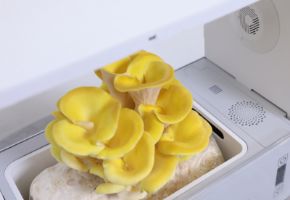
Cultivating mushrooms domestically is now accessible to anyone thanks to the availability of ready-to-use kits. Pleurotus is the second most cultivated mushroom in the world, global production over 2 million tons per year, and it is the species we recommend to anyone wishing to start with mushroom cultivation before tackling the more complex Agaricus species. To grow shiitake successfully, ideal substrates are:
- Hardwood sawdust (oak, beech, mulberry) integrated with wheat bran (10–20%) and gypsum (1–2%), standard substrate for intensive bag cultivation
- Fresh wood logs of oak or chestnut, the traditional Japanese technique; excellent production but requires 6–12 months to first fruiting
- Pre-inoculated kits, already colonized substrate ready for fruiting; the simplest way to cultivate for the first time.
Shiitake cultivation phases
Preparation and sterilization of substrate: mix of sawdust + bran + gypsum, moistened to 60–65% and sterilized at 80°C for 2–3 hours
Inoculation: sterilized substrate is inoculated with shiitake spawn under conditions of relative sterility
Incubation: in the dark at 20–25°C with humidity 80–90% for 60–90 days until complete colonization (white-cottony appearance then brownish)
Induction of fruiting: cold shock (immersion in cold water for 12–24 hours or temperature drop of 5–10°C) + increased humidity; first primordia within 5–10 days
Environmental management for growing shiitake
| Parameter | Incubation phase | Fruiting phase |
|---|---|---|
| Temperature | 22–25°C | 15–21°C |
| Relative humidity | 85–95% | 85–95% |
| Light | Not necessary | 12 hours/day diffuse light (300–1000 lux) |
| Ventilation | Minimal (filtered) | 4–8 air exchanges/hour (<1000 ppm CO₂) |
| Water misting | Not necessary | 2–4 times/day on walls |
For light management in indoor crops, LED bars and full-spectrum LED panels are today the most energy-efficient solution. Professional-quality LED strips like those available on Ledpoint.it allow customization of grow room lighting with precision, controlling spectrum, intensity, and photoperiod to optimize mushroom growth and reduce energy consumption compared to traditional fluorescent lamps.
Advanced technique for cultivating Agaricus augustus: Phase II compost
For those wishing to seriously tackle Agaricus augustus cultivation, the ideal substrate is a Phase II compost: wheat straw (80%) + horse manure or poultry litter (20%), with a long process of 14–21 days that includes: wetting + mixing with lime to bring pH to 7.5–8; turnings every 2–3 days for oxygenation; internal temperature 60–70°C during active fermentation; final pasteurization at 58–60°C for 6–8 hours; conditioning phase at 45–50°C for 3–5 days to develop favorable bacterial microflora. After compost colonization (14–21 days at 24–26°C), the casing layer is applied (calcified peat pH 7.5–7.8, thickness 4–5 cm) which induces fruiting. Expected yield: 8–15 kg per 100 kg of substrate per cycle of 5–6 weeks.
Comparison: growing shiitake vs growing Agaricus augustus
| Parameter | Growing shiitake | Growing A. augustus |
|---|---|---|
| Difficulty | Medium | High–Very high |
| Substrate | Sawdust + bran (easy availability) | Fermented straw compost (complex) |
| Time to first harvest | 60–90 days | 90–150 days |
| Yield per cycle | 15–25% of substrate weight | 8–15% of substrate weight |
| Commercial kits available | Yes, widely | Limited, niche |
| Market value | Medium-high | High–very high |
| Medicinal applications | Excellent (lentinan, AHCC) | Good (beta-glucans) |
Sustainable cultivation: circular economy and upcycling
Mushrooms can be cultivated on agricultural and agro-industrial by-products that would otherwise go to waste (cereal straw, sawdust, coffee grounds, cardboard), transforming them into high-quality protein. The spent substrate post-cultivation is an excellent soil amendment for agriculture. This model reduces waste, cuts CO₂ emissions (1 kg of mushrooms requires about 1.7 liters of water versus 15,000 liters for 1 kg of beef), and produces nutritious food with minimal environmental impact.
Culinary uses: how to cook Agaricus augustus
Agaricus augustus in the kitchen is a true revelation for anyone who loves intense and authentic flavors. Its firm flesh, almond fragrance, and versatility in preparations make it one of the most interesting and precious ingredients in the Italian mycological landscape. Its regal bearing is reflected also in the kitchen: it does not need complicated pairings to express all its character—often, less is more.
General cooking principles
Never cook it raw: it must be consumed cooked; cooking inactivates arabinosidases that can cause gastrointestinal disturbances in some people
High temperature enhances aroma: Agaricus mushrooms develop new aromatic compounds through Maillard reactions during high-temperature sautéing; the final fragrance is different but complementary to that of fresh
High heat, not low: prolonged cooking over low heat tends to "boil" the mushrooms, producing a soft, watery texture; they should be added to an already very hot pan and cooked over high flame
Do not discard the cooking liquid: it is very rich in aromatic compounds, use it to finish a risotto or flavor a sauce
Salt only at the end: adding during cooking causes mushrooms to lose water, making them soft
Gastronomic pairings
| Category | Optimal pairings | Avoid |
|---|---|---|
| Fats | Light fruity Tuscan EVO oil, quality butter, aged lard | Intense oil that masks the aroma |
| Herbs | Parsley, thyme, calamint (Calamintha nepeta), marjoram | Basil, oregano (overpowering) |
| Cheeses | Parmigiano Reggiano 24 months, Pecorino di Fossa, Grana Padano DOP | Strong blue cheeses |
| Meats | Veal, free-range chicken, rabbit, pigeon | Very strongly flavored red meats |
| White wines | Vermentino, Vernaccia di San Gimignano, Soave Classico | Sweet or oxidized wines |
| Cereals | Carnaroli rice, egg tagliatelle, white polenta | Very fine industrial pasta |
How to best preserve fresh Agaricus augustus in the kitchen
To best preserve fresh Agaricus augustus: do not wash before storing (only soft brush and damp cloth); store in a paper bag in the vegetable drawer; consume within 2–3 days of collection; if mushrooms begin to soften, cook them immediately. As preparation advance: wash, slice thickly, blanch 2 min in acidulated water with lemon, drain, dry, and store in fridge max 24h.
How to integrate Agaricus augustus into healthy recipes
For those wondering how to integrate Agaricus augustus into healthy recipes: protein frittata or omelette with Agaricus sauté, whole eggs, and turmeric; autumn buddha bowl with pearl barley, grilled Agaricus, spinach, walnuts, and tahini-lemon dressing; whole wheat pasta with Agaricus pesto (cooked mushrooms blended with basil, pine nuts, EVO, and Parmigiano); Agaricus cream on rye toasts (mushrooms blended with ricotta or silken tofu and chives). All preparations that perfectly balance taste and nutritional value.
Recipes with Agaricus augustus: from tradition to innovation
Recipes with Agaricus augustus in Italian cuisine are a delicious and creative chapter. This mushroom lends itself to diverse preparations: from the absolute simplicity of garlic sauté to the more refined elaborations of contemporary cuisine.
Agaricus augustus sautéed with garlic and parsley (classic recipe)
Ingredients for 4 people
500 g fresh Agaricus augustus
3 garlic cloves, a bunch of fresh parsley
4 tablespoons quality EVO oil
1/2 glass dry white wine (Vernaccia or Vermentino)
juice of half a lemon
fine sea salt and freshly ground black pepper.
Procedure
Clean mushrooms with damp cloth and soft brush, remove stem base, and slice uniformly 6–8 mm thick. Heat oil in a large cast-iron or iron pan over medium-high heat until oil begins to sizzle. Add crushed garlic and brown for 90 seconds without burning. Add mushrooms in a single layer (do not overcrowd the pan) and cook over high heat without stirring for the first 2–3 minutes: they should brown, not stew. Stir, deglaze with white wine, and let alcohol evaporate completely (3–4 minutes). Lower heat to medium and continue for another 8–10 minutes. Mushrooms are ready when golden and slightly crispy on the outside and tender inside, with cooking liquid reduced to a glossy sauce. Adjust salt and pepper, add coarsely chopped fresh parsley and lemon juice; serve immediately.
Wine pairing
Vermentino di Sardegna DOC or Vernaccia di San Gimignano DOCG, chilled (8–10°C).
Risotto with Agaricus augustus, Parmigiano, and black truffle
Ingredients for 4 people
320 g Carnaroli rice
300 g fresh Agaricus augustus + 15 g dried for broth
1 shallot, 1 glass dry white wine
1.2 L hot vegetable broth
60 g quality butter
80 g grated Parmigiano Reggiano DOP
20 g black truffle (or 1 teaspoon truffle oil)
3 tablespoons EVO oil
salt and white pepper.
Procedure
Prepare mushroom broth: cook dried mushrooms in hot water for 20 min, strain. In a pan, sauté shallot in oil for 3 min, add diced fresh mushrooms and cook 5 min over high heat. Toast rice in the soffritto for 2 min stirring, deglaze with white wine. Add broth (including mushroom broth) ladle by ladle, stirring frequently, for about 18 minutes. Off heat, vigorously mantecare with cold cubed butter and Parmigiano, adjust salt. Plate and finish with black truffle shavings or truffle oil. Serve immediately.
Autumn soup with Agaricus augustus, chestnuts, and rosemary
Ingredients for 6 people
400 g fresh Agaricus augustus
300 g boiled chestnuts
2 medium potatoes
1 golden onion
2 garlic cloves
1 sprig fresh rosemary
1 L vegetable broth
4 tablespoons EVO oil
parsley for garnish
salt, pepper, nutmeg.
Procedure
Sauté onion and garlic in oil for 5 min, add chopped mushrooms and brown 5 min over high heat. Add diced potatoes, chestnuts, rosemary, and broth, cook 20 min. Partially blend with immersion blender leaving some pieces whole for texture. Adjust salt, pepper, nutmeg, serve with a drizzle of EVO oil and fresh parsley. A dish that tells the story of autumn in the forest in a single spoonful.
Grilled Agaricus augustus with aromatic thyme-lemon oil
Ingredients for 4 people
4 medium Agaricus augustus caps (8–12 cm)
6 tablespoons fruity EVO oil
4 sprigs fresh thyme
1 organic lemon (zest + juice)
coarse sea salt, freshly ground black pepper
garlic powder to taste
Procedure
Heat oil with thyme and lemon zest for 5 min over low heat (do not fry, only infuse), cool and add lemon juice. Generously brush caps with aromatic oil on both sides. Grill on very hot grill or grill pan: 4–5 min per side, turning only once. Season with coarse salt, pepper, and garlic powder and serve with remaining aromatic oil. Grilling maximally enhances the firm texture of Augustus, creating a caramelized crust that contrasts magnificently with the internal tenderness.
Fresh tagliatelle with Agaricus augustus, quail eggs, and Parmigiano shavings
A recipe for special occasions, designed for chefs and food bloggers seeking an impactful presentation.
Ingredients for 4 people
400 g fresh egg tagliatelle
350 g sautéed Agaricus augustus
12 quail eggs
80 g Parmigiano Reggiano DOP in shavings
3 tablespoons butter, 1/2 glass white wine
2 garlic cloves
fresh thyme, salt, pepper.
Procedure
Prepare Agaricus sauté as per classic recipe but cut mushrooms into more rustic pieces. Cook quail eggs in lightly salted boiling water for 3 minutes (soft-boiled), peel. Cook tagliatelle in abundant salted water, drain al dente keeping a few tablespoons of cooking water. Mantecare tagliatelle in the pan with Agaricus sauté, add cooking water as needed for creaminess and butter. Plate with quail eggs placed on top, Parmigiano shavings, and a few fresh thyme leaves.
Scientific studies and research on Agaricus augustus
Scientific research on Agaricus augustus specifically is still in a developmental phase compared to other medicinal mushrooms like Ganoderma lucidum or Agaricus blazei. However, a growing number of studies has begun to characterize its biochemical, pharmacological, and ecological properties, with results that confirm and expand upon what is already known for the genus Agaricus in general.
Chemical characterization
The main analytical chemistry studies on Agaricus augustus have investigated: beta-glucans (FTIR and NMR analyses confirm β-1,3/β-1,6-glucan structure with content in dried mushroom between 4 and 12%); amino acid profile (HPLC confirms presence of all 20 standard amino acids, with abundance of glutamic and aspartic acids—responsible for umami—leucine, and lysine); volatile components (GC-MS has identified benzaldehyde as the main aromatic component (60–80% of total volatile fraction), with benzyl alcohol, benzoic acid, and anisaldehyde); ergothioneine, contents in the order of 500–2000 µg/g dry weight, comparable to common champignon.
Studies on antioxidant properties
Several European laboratories have evaluated the antioxidant potential of Agaricus augustus extracts with standardized methodologies (DPPH, FRAP, ABTS). Results show: IC₅₀ values in DPPH test between 0.8 and 2.5 mg/mL (good scavenger activity); total polyphenol content between 5 and 15 mg GAE/g of dry extract with significant variations depending on harvest season, habitat, and drying method; robust positive correlation (R² > 0.85) between phenolic content and antioxidant capacity.
Antimicrobial activity
Preliminary studies have detected in aqueous and methanolic extracts of Agaricus augustus a modest but significant antimicrobial activity against Staphylococcus aureus, Escherichia coli, Candida albicans, and Bacillus subtilis. Phenolic compounds and medium-chain fatty acids present in lipid extracts seem to be the main responsible agents, although molecular characterization of specific antimicrobial compounds requires further investigation.
Ecological and biodiversity research
Long-term monitoring in various European countries has highlighted a trend toward reduction of Agaricus augustus populations in areas with intensive forest management, suggesting the need to include it in forest conservation programs. Studies on organic matter decomposition have quantified the contribution of Augustus mycelium to organic nitrogen mineralization. Agaricus augustus is substrate for numerous insect species (diptera, beetles), myriapods, and nematodes that participate in spore dispersal, with some mutualistic interactions.
Future research perspectives
Genomic characterization: the complete genome of Agaricus augustus has not yet been sequenced; sequencing would open the way to deep understanding of bioactive compound biosynthesis
Human clinical studies: promising preclinical data need confirmation in randomized controlled human trials
Standardized cultivation protocols: development of reproducible protocols for Augustus for commercial possibilities and reduction of harvesting pressure on wild populations
Study of associated microbiome: the microbial community living in symbiosis with the mycelium and fruiting bodies of Augustus is practically unexplored but could be key in producing the characteristic aromatic compounds
Frequently asked questions (FAQ) about Agaricus augustus
In this section we collect the most frequent questions regarding Agaricus augustus and meadow mushrooms in general, with exhaustive and scientifically accurate answers organized in accordion format for quick and easy consultation.
Is Agaricus augustus mushroom edible?
Yes, Agaricus augustus is an excellent edible mushroom, considered among the best of the genus Agaricus for aromatic quality and flavor. The giant meadow mushroom offers firm, fragrant flesh (bitter almond odor) and intense taste, excellent sautéed, grilled, in risotto, and in soups. It is fundamental never to consume it raw and to be able to distinguish it with certainty from toxic Agaricus xanthodermus before harvesting.
Is Agaricus augustus toxic?
No, Agaricus augustus is not toxic if correctly identified and well cooked. Like all mushrooms of the genus Agaricus, it contains heat-labile substances that are deactivated by cooking, so it must always be consumed well cooked. The real risk is confusion with similar toxic species, particularly Agaricus xanthodermus: the odor test (almond vs carbolic) and cut color change test (pale yellow vs vivid chrome yellow) are the main distinguishing tools.
What does Agaricus mean?
The term Agaricus derives from the ancient Greek agarikón, with which mushrooms were generically indicated in classical antiquity. Formalized by Carl von Linné in 1753, the genus Agaricus today comprises over 300 species of gilled mushrooms characterized by brown spore print and ring on the stem. The specific epithet augustus means "majestic, august, worthy of veneration" in Latin, a perfectly apt name for this imposing mushroom called "The Prince" by English speakers.
How to recognize the toxic meadow mushroom? How to recognize the toxic meadow mushroom?
The main toxic meadow mushroom (not deadly, but cause of serious gastrointestinal disturbances) is Agaricus xanthodermus. It is recognized by two fundamental characteristics: (1) the vivid chrome-yellow (almost fluorescent) color change of the flesh when cutting the stem base—immediate and intense reaction; (2) the unpleasant odor of carbolic acid, ink, or medicines—easily distinguishable from the pleasant almond odor of Augustus. Other toxic European meadow mushrooms: Agaricus placomyces and Agaricus moelleri, with similar characteristics. In case of doubt, consult the mycological center of your local ASL.
What is the Agaricus augustus mushroom? What is the augustus meadow mushroom?
Agaricus augustus, also called augustus meadow mushroom, giant meadow mushroom, majestic meadow mushroom, or in English "The Prince," is a saprophytic forest fungus of the family Agaricaceae, described by Elias Magnus Fries in 1838. It is the largest meadow mushroom in Europe (cap up to 25–30 cm), with characteristic bitter almond odor, double membranous ring on the stem, and fibrous golden-brown scales on the cap. It is edible of excellent quality, grows predominantly under conifers from late summer to autumn.
How are meadow mushrooms recognized? How to recognize Agaricus campestris?
Meadow mushrooms (genus Agaricus) are recognized by: presence of a ring on the stem; absence of basal volva; gills that change from pink to dark brown with maturation (never white in adults); brown spore print in mass. Agaricus campestris (common meadow mushroom) is specifically recognized by: white or whitish-gray cap of 4–12 cm without evident dark scales; vivid pink gills in young specimens; simple ring (not double); exclusive growth in fertilized meadows (never in coniferous forests); pleasant fungoid odor (never almond-like).
What is Agaricus augustus var. perrarus? Where is it found?
Agaricus augustus var. perrarus (or Agaricus augustus var perrarus) is a very rare variety of the giant meadow mushroom with practically uniform white-cream cap, lacking the characteristic brown scales of the typical form. It was originally described as an autonomous species by Schulzer in the 19th century. All other characteristics (odor, color change, ring, habitat, edibility) are identical to the typical form. It is found in very few European localities: Alpine areas of Trentino and Veneto and some areas of the central Tuscan-Umbrian Apennines in Italy; Austria and southern Germany; southern Great Britain; French Massif Central.
What mushroom is Agaricus bisporus? What mushrooms are Agaricus bisporus?
Agaricus bisporus is the very common cultivated champignon, the most consumed mushroom in the world (over 4 million tons/year). What mushrooms are Agaricus bisporus? They are the cultivated meadow mushrooms par excellence: the classic white champignon, the cremini/avana, and the portobello (open cap). The name "bisporus" indicates that basidia produce only 2 spores instead of the typical 4. Compared to Agaricus augustus, it has a more delicate flavor and much smaller size, but is excellent for everyday culinary use thanks to versatility and constant availability.
What are the benefits of Agaricus mushroom? What is Agaricus mushroom used for? What is Agaricus used for?
The main scientifically documented benefits of Agaricus mushroom include: (1) Immunomodulation: beta-glucans activate macrophages and NK cells; (2) Antioxidant: ergothioneine, organic selenium, and polyphenols combat oxidative stress; (3) Anti-inflammatory: reduction of chronic inflammatory cytokines; (4) Metabolic: support in blood sugar regulation; (5) Hepatoprotective: reduction of hepatic oxidative damage; (6) Prebiotic: chitin and beta-glucans nourish intestinal microbiota; (7) Nutritional: sources of vitamin D, B2, B3, selenium, copper, complete proteins. In summary, Agaricus is used to support immune defenses, provide powerful antioxidants and essential nutrients, and potentially modulate glucose metabolism.
What are the contraindications of Agaricus Blazei? When to take Agaricus?
The main contraindications of Agaricus Blazei (the Agaricus species most used in medicinal supplements): mushroom allergy; active autoimmune diseases (immune stimulation may worsen symptoms); concomitant use of immunosuppressants or anticoagulants; pregnancy and breastfeeding (insufficient data); patients with severe liver disorders. Always consult a physician. When to take Agaricus: during seasonal changes, convalescence, periods of stress, winter season for immune support, or as supplementation agreed with a physician during oncological therapies.
What are the benefits of Agaricus blazei? And of Agaricus pryioreta?
The benefits of Agaricus blazei (cogumelo do sol, Brazil) include: enhanced immunomodulatory activity with high molecular weight beta-glucans; antitumor activity (increased NK and cytotoxic T lymphocytes); potential antidiabetic effect (reduced blood glucose and HbA1c in experimental models); hepatoprotective; antibacterial. Agaricus brasiliensis (often erroneously called "pryioreta" or "pyrioreta" in erroneous transcriptions from Japanese) is a synonym of Agaricus subrufescens/blazei and shares the same properties.
What is Agaricus gigante? What is the giant meadow mushroom?
With the name Agaricus gigante or giant meadow mushroom one generally refers to Agaricus augustus, the largest meadow mushroom in Europe (cap 10–25 cm, weight up to 500g and more). The term differs from the giant meadow puffball (Calvatia gigantea, the giant puffball), which is an entirely different species. Agaricus augustus owes this nickname to the exceptional dimensions of the cap that can exceed 25 centimeters in diameter, making it visibly and impressively large compared to other European meadow mushrooms.
Is the majestic meadow mushroom edible?
Yes, the majestic meadow mushroom is edible and is considered one of the best edible mushrooms in Europe. Agaricus augustus has firm, fragrant flesh (characteristic bitter almond odor due to benzaldehyde) and an intense, complex flavor that makes it excellent in numerous culinary preparations: sautéed, grilled, in risotto, in soups, paired with fresh pasta. As with all wild mushrooms, certain identification before consumption and complete cooking (never raw) is mandatory.
Agaricus augustus, a treasure to know and respect
The journey through the world of Agaricus augustus that we have undertaken in this article has revealed an organism of extraordinary complexity and fascination: a giant meadow mushroom that is at once a symbol of the autumn forest, a precious ingredient of Italian cuisine, a subject of rapidly expanding scientific research, and an ecological indicator of forest ecosystem health. From its majestic morphology (with that scaly cap that seems a noble garment, that double ring that distinguishes it in the fungal crowd, and that almond fragrance that tells of its chemistry) to the nutritional and medicinal properties that science is progressively unveiling, Agaricus augustus is much more than a simple edible mushroom.
For the passionate forager, the giant meadow mushroom represents one of the most coveted trophies of the autumn excursion: finding it requires knowledge, patience, and respect for the environment, and its discovery grants an authentic emotion difficult to describe in words. For the chef, it is an ingredient capable of transforming even the simplest preparations into memorable gastronomic experiences. For the researcher, it is a mine of bioactive compounds (beta-glucans, ergothioneine, benzaldehyde, polyphenols, organic selenium) that promise therapeutic applications still largely to be explored. For the organic farmer and the cultivator, its cultivation, although complex and demanding compared to the more accessible growing shiitake, represents a productive frontier of great economic and sustainable interest. For the simple curious person, it is an open window onto the infinite and wonderful universe of mycology.
Our final advice is always the same, for any wild mushroom: never collect without being certain of identification. Use the free service of ASL Mycological Centers, consult authoritative guides, go out with expert mycologists, participate in excursions organized by local mycological associations. Respect for nature and for one's own health has no price. And when you finally hold in your hand a beautiful fruiting body of Agaricus augustus, correctly identified and very fresh, know that you are holding something extraordinary: an ancient, complex, and generous living being that the forest has gifted you.
This article was developed with the support of artificial intelligence and subsequently reviewed, corrected, and validated by the NaturNext.eu technical team, which guarantees its reliability and compliance with official sources.
The kingdom of fungi is a universe in continuous evolution, with new scientific discoveries emerging every year on their extraordinary benefits for gut health and general well-being. From today onward, when you see a mushroom, you will no longer think only of its flavor or appearance, but of all the therapeutic potential it contains in its fibers and bioactive compounds. ✉️ Stay connected - Subscribe to our newsletter to receive the latest studies on: New research on mushrooms and microbiota Advanced techniques for domestic cultivation In-depth explorations of lesser-known species Nature offers us extraordinary tools to take care of our health. Mushrooms, with their unique balance between nutrition and medicine, represent a fascinating frontier that we are only beginning to explore. Continue to follow us to discover how these extraordinary organisms can transform your approach to well-being.Continue your journey into the world of mushrooms