


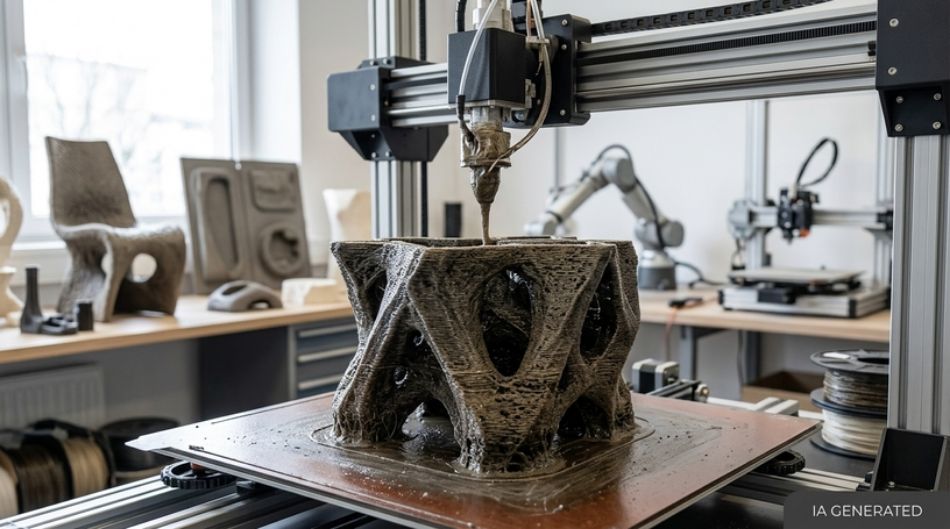
For over four decades, 3D printing has worked almost exclusively with inert materials: petroleum-derived polymers, metal powders, photopolymerizable resins, and technical ceramics. Today, something profoundly different is emerging from biotechnology laboratories and materials engineering departments halfway across the world. A printer's nozzle no longer deposits just molten plastic, but a living, whitish paste, as dense as bread dough, populated by fungal hyphae that continue to grow after deposition. This is the beginning of a manufacturing process that does not build objects, but cultivates them.
Mushroom-based ink represents the convergence point of three disciplines that, until a few years ago, spoke different languages: applied mycology, materials rheology, and additive manufacturing. The result is a class of materials that researchers call living materials, capable of self-repair, binding agricultural waste together without synthetic glues, and returning to the soil at the end of their life without leaving microplastics. Thus, 3D printing becomes, for the first time in its history, a biological process as well as a mechanical one.
This article is intended for those who truly know mushrooms: growers who manage substrates and sterilizations every week, researchers studying mycelial physiology, and enthusiasts and hobbyists who have transformed a basement or a closet into a mushroom farm. Because the truth, often left unspoken in enthusiastic press releases, is that the hard part of 3D printing with mushrooms is not the printer: it is the mushroom. Anyone who knows how to choose a strain, prepare a substrate, recognize contamination, and manage incubation humidity already possesses 80% of the necessary skills. The rest can be learned.
In the upcoming sections, we will see how to formulate a functional fungal ink, which strains yield the best results, which 3D printing technologies are compatible with living biomass, what mechanical properties can realistically be achieved, what market data and life cycle analyses say, and above all, how it is possible to start experimenting at home or in a small laboratory with accessible equipment. With data, tables, verifiable numbers, and operational protocols, not promises.
In this article...
1. What is 3D printing with mushroom-based ink
Before delving into the technical details, it is worth clearing up a very common misunderstanding: when we talk about 3D printing with mushrooms, we are not printing the fruiting body, that is, the mushroom we pick in the woods or in mushroom farms. We print the mycelium, the vegetative apparatus, the network of underground filaments that constitutes the true organism. The cap is just the reproductive organ, the equivalent of a flower. The structural material is everything that lies beneath.
The operational definition
Mushroom ink 3D printing is an additive manufacturing process in which a paste composed of lignocellulosic biomass, water, rheological agents, and living fungal mycelium is extruded layer by layer according to a digital model, and then incubated under controlled conditions. During incubation, the hyphae colonize the artifact, penetrate the substrate fibers, and bind them together with a network of chitin and glucans. At the end, the piece is dried or heat-treated to halt biological growth.
The substantial difference compared to any other 3D printing technique is that the piece just out of the printer is not the finished piece. It is a biological semi-finished product. The object acquires its mechanical properties in the following days, thanks to a process that no operator directly controls but can only guide through temperature, humidity, and oxygen availability. It is a manufacturing process that requires patience.
The three technological generations
The development of the sector can be read in three successive phases, each with a higher degree of formal freedom than the previous one.
| Generation | Period | Technique | Main limitation |
|---|---|---|---|
| 1st - Mold growth | 2007-2015 | Inoculated substrate poured into rigid molds | Simple shapes, mold costs, no customization |
| 2nd - Direct extrusion | 2016-2021 | Living paste extruded from a nozzle, free geometries | Layer collapse, limited heights, shrinkage during drying |
| 3rd - Hybrid and programmed 3D printing | 2022-present | Multi-material inks, sacrificial supports, oriented growth | Industrial-scale reproducibility, incubation times |
Today we are fully in the third generation, where 3D printing does not just give shape to the mycelium but designs the very direction of growth, orienting the hyphae along the load lines of the piece. It is the transition from material to biological metamaterial.
Why right now
Three independent technological factors have matured in the same timeframe. The first is the availability of affordable screw extruders (pellet extruders), capable of handling high-viscosity pastes with coarse particulate matter, previously the exclusive domain of the ceramic industry. The second is the spread of selected and certified strains, with colonization speeds and contaminant tolerance far superior to wild strains. The third is the regulatory and economic pressure on single-use materials, which has made a technology that was an academic curiosity ten years ago financially interesting.
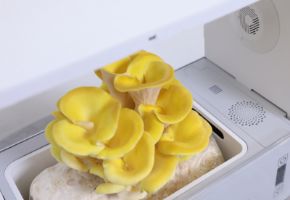
To these is added a not inconsiderable cultural element: the mushroom growers' community has grown enormously, bringing with it practical skills in sterilization, inoculation, and humidity management that are exactly what mushroom printing requires. A hobbyist who regularly produces Pleurotus on pasteurized substrate has, without knowing it, a huge advantage over a mechanical engineer approaching the topic from materials. Anyone wishing to build this foundation can start with a mushroom cultivation kit and learn the complete cycle before moving on to extrusion.
2. Mycelium biology: why it works as a structural material
Understanding why a mushroom can replace synthetic glue in 3D printing requires a look at its microscopic architecture. It is neither a coincidence nor a lucky break: mycelium has evolved for exactly this task, namely to penetrate heterogeneous organic matter and hold it together while digesting it.
Hyphae, septa, and three-dimensional networks
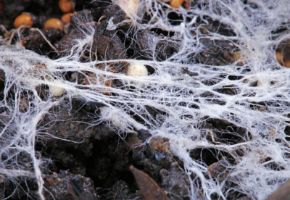
The material that comes out of the nozzle in 3D printing consists of hyphae, cylindrical filaments with a diameter between 2 and 10 micrometers that grow at the apex at speeds between 0.1 and 6 millimeters per hour depending on the species and temperature. Each hypha branches dichotomously and anastomoses, meaning it fuses with neighboring hyphae, creating a continuous network rather than a simple bundle of parallel fibers. This continuity is the physical reason why a mycelial composite distributes loads better than a panel of glued fibers.
In one cubic centimeter of well-colonized substrate, there are an estimated 500 to 2,000 linear meters of hyphae. This is a huge exchange surface and, from a mechanical point of view, a density of connections that no industrial mixing process could replicate at that energy cost.
The cell wall: chitin, glucans, and proteins
The hyphal wall is a natural composite in its own right. Chitin, a nitrogenous polysaccharide identical to that of the arthropod exoskeleton, forms crystalline microfibrils with a theoretical elastic modulus of around 150 GPa, higher than that of aluminum. These microfibrils are embedded in an amorphous matrix of beta-glucans and mannoproteins that provides toughness and deformation capacity. It is the same constructive logic as reinforced concrete, on a nanometric scale and assembled at room temperature without any external energy input.
| Wall component | % of dry mass | Functional role |
|---|---|---|
| Chitin and chitosan | 8-25% | Fibrillar reinforcement, stiffness |
| Beta-1,3 and beta-1,6 glucans | 30-60% | Matrix, toughness, adhesion |
| Mannoproteins and glycoproteins | 10-25% | Interface, recognition, hydrophobicity |
| Lipids and hydrophobins | 2-8% | Surface water repellency |
| Ashes and minerals | 1-5% | Variable depending on substrate |
Hydrophobins: the secret to surface finish
A separate chapter is deserved by hydrophobins, small amphipathic proteins secreted by filamentous fungi that self-assemble into monomolecular films at the air-water interface. They are among the most surfactant molecules known in nature. In 3D printing with mushrooms, hydrophobins determine the outer skin of the artifact: when the mycelium reaches the surface and encounters the air, it produces a compact and slightly water-repellent layer that acts as a natural finish, reducing water absorption without any added coating.
Different strains produce hydrophobins in very different quantities, and this is one of the most neglected selection criteria by those approaching the sector. A strain of Trametes versicolor produces a significantly more cohesive and uniform surface skin than many Pleurotus strains, given the same substrate and conditions.
Lignocellulolytic enzymes and substrate choice
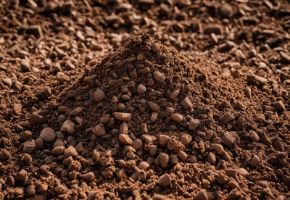
The fungi used in this field belong almost entirely to the white-rot basidiomycetes, organisms capable of degrading lignin thanks to laccases, lignin peroxidase, and manganese peroxidase. This ability is a double-edged sword: it allows the use of waste as a substrate that no other process valorizes (straw, sawdust, pomace, rice husks, coffee grounds) but also entails a loss of dry mass during colonization, typically between 10 and 25%.
The designer must therefore balance two opposing needs: fast and vigorous colonization requires easily accessible nutrients, but excessive consumption of the substrate weakens the load-bearing structure of the piece. Established practice involves a poor lignocellulosic-based substrate integrated with a contained portion, between 5 and 15%, of bran or protein flours. For those working in a laboratory or in small batches, starting with ready-to-use cultivation substrates that are already balanced eliminates the most difficult variable to control at the beginning.
To delve deeper into the physiology and taxonomy of the strains used, the open-access scientific journal Journal of Fungi regularly publishes studies on mycelial growth applied to biomaterials.
3. How to formulate a mushroom ink: ingredients and rheology
This is where the real game of 3D printing with mushrooms is played. A fungal ink must simultaneously satisfy two families of requirements that pull in opposite directions: rheological ones, concerning the behavior of the paste under stress, and biological ones, concerning the survival and growth of a living organism. Every formulation is a compromise, and knowing which parameter to sacrifice is what distinguishes a successful result from a pile of collapsed layers.
The five fundamental components
A typical formulation for extrusion 3D printing includes:
- Lignocellulosic filler (40-60% dry weight) - hardwood sawdust, ground straw, hemp fiber, rice husks. It determines the body, final strength, and cost. Particle size is critical: under 250 micrometers for fine nozzles, up to 1.5 mm for nozzles of 6 mm or more.
- Water (45-65% of total wet weight) - vehicle and vital medium. Moisture content is the single most influential parameter for both printability and viability.
- Rheological agent (0.5-4%) - hydrocolloids like xanthan gum, sodium alginate, carboxymethyl cellulose, methylcellulose, or psyllium gel. They confer pseudoplastic behavior.
- Supplementary nutrients (5-15%) - wheat bran, soy flour, agricultural gypsum as a pH buffer and calcium source.
- Mycelial inoculum (5-20%) - mycelium on grain, on sawdust, or in liquid culture. The format of the inoculum greatly influences the colonization speed.
Pseudoplastic behavior: the physics that makes everything possible
For a 3D printing ink to be extruded and then maintain its shape, it must be shear-thinning: the viscosity must drop under shear stress inside the nozzle and rise almost instantly upon exiting. It is the same principle as ketchup or brush paint, applied with engineering precision.
Two measurable parameters describe the suitability of a paste for 3D printing: the yield stress, which must be sufficient to support the weight of the upper layers, and the viscosity recovery time, which should remain under one second. Reference values gathered from the literature on extrudable mycelial composites:
| Rheological parameter | Useful range | Effect if too low | Effect if too high |
|---|---|---|---|
| Yield stress | 300-2,500 Pa | Layer collapse, spreading | Discontinuous extrusion, filament tearing |
| Apparent viscosity (at 10 s⁻¹) | 50-500 Pa·s | Dripping, loss of definition | Excessive pressure, mechanical damage to hyphae |
| Flow index (n) | 0.15-0.45 | Too elastic behavior | Quasi-Newtonian behavior, unprintable |
| Recovery time | < 1 s | - | Deformation of underlying layers |
| Total moisture | 48-62% | Mycelium in water stress, slow growth | Anaerobiosis, bacterial contamination |
The role of hydrocolloids and their side effects
In 3D printing with mushrooms, xanthan gum is the most used additive because it produces high yield stress at very low concentrations, typically between 0.5 and 1.5%. However, it has a flaw: it retains water so effectively that it slows down oxygen diffusion in the paste, penalizing colonization in thick sections. Sodium alginate, cross-linked with calcium ions, offers an interesting compromise because it produces rapid gelation that stabilizes the geometry while leaving a more permeable structure.
Methylcellulose exhibits a particular and exploitable behavior: it gels when hot and liquefies when cold, the opposite of gelatin. Thus, a cold, fluid paste can be extruded onto a surface heated to 45-50 °C, which instantly stiffens it: a temperature still tolerable for many hyphae, even if close to the upper limit.
Three reference formulations
The following 3D printing compositions are proven starting points, to be adapted to your own strain and equipment. Percentages are based on total wet weight.
| Component | A - Structural (4-8 mm nozzle) | B - Fine detail (1.5-3 mm nozzle) | C - Light foam |
|---|---|---|---|
| Beech sawdust <1 mm | 32% | - | 18% |
| Micronized hemp fiber | - | 26% | 6% |
| Wheat bran | 6% | 7% | 5% |
| Xanthan gum | 0.8% | 1.4% | 1.0% |
| Sodium alginate | 1.0% | 1.2% | 0.6% |
| Agricultural gypsum | 1.5% | 1.5% | 1.0% |
| Grain inoculum | 8% | 10% | 12% |
| Natural surfactant (saponin) | - | - | 0.4% |
| Water | 50.7% | 52.9% | 56.0% |
| Density after drying | 190-240 kg/m³ | 230-280 kg/m³ | 90-130 kg/m³ |
Formulation C deserves a note: the addition of a natural surfactant and a mechanical whipping phase of the paste before extrusion introduces stable air bubbles that drastically lower the density and improve thermal insulation. This is the secret to ultra-lightweight mycelial foams, and it has the collateral advantage of increasing internal oxygen availability, accelerating colonization.
4. The best strains for 3D printing with mushrooms
In 3D printing with fungal ink, not all mushrooms are suitable, and the difference between a right strain and a wrong one is not marginal: it can mean a piece colonized in eight days or a piece contaminated by Trichoderma by the twelfth. Strain selection is the most important decision of the entire project, and far precedes the choice of the printer.
The selection criteria that really matter
A strain suitable for 3D printing with mushroom ink must possess five characteristics, in decreasing order of practical importance: radial extension speed, tolerance to merely pasteurized (not completely sterile) substrates, abundant production of hydrophobins for the surface skin, high mycelial density compared to mere speed, and absence of early fruiting. This last point is underestimated: a strain that tends to form primordia as soon as it encounters fresh air ruins the surface of the artifact with irregular protrusions.
Comparative table of main species
| Species | Colonization speed | Mycelium density | Surface skin | Contaminant tolerance | Recommended use |
|---|---|---|---|---|---|
| Ganoderma lucidum (Reishi) | Medium | Very high | Excellent, leathery | High | Skins, design objects, visible surfaces |
| Pleurotus ostreatus | Very high | Medium | Good | Very high | Prototypes, packaging, initial tests |
| Trametes versicolor | High | High | Excellent, compact | High | Panels, structural elements |
| Pleurotus eryngii | High | High | Good | Medium | Dense pieces, compression resistance |
| Fomes fomentarius | Low | Very high | Exceptional, cork-like | Medium | Cork-like materials, insulation |
| Hericium erinaceus | Medium | Medium | Poor, cottony | Low | Not recommended for structural use |
| Lentinula edodes (Shiitake) | Low | High | Medium, pigmented | Medium | Decorative pieces, long times |
The choice for the beginner and the professional
Those starting out should use Pleurotus ostreatus without hesitation. It forgives humidity errors, tolerates roughly pasteurized substrates, colonizes so quickly that it suffocates most contaminants, and costs little. It will not give the most beautiful finish, but it will give a result, and for learning, this matters more than anything.
Those who have already mastered the cycle and seek surface quality move on to Ganoderma lucidum, the reference strain for all visible mycelial materials: it develops a smooth, resistant, and naturally pigmented skin that no other species equals. Those wishing to experiment with this species will find in Reishi-based products and its mycelium the starting point, while for initial tests, Pleurotus mycelium remains the most economical and tolerant choice.
Hybrid strains and assisted selection
Several research groups are selecting strains specifically optimized for manufacturing, not for food production. The criteria change radically: hyphal network density and chitin production are rewarded, not fruiting body yield. Some experimental Ganoderma strains reach compression resistance values 60% higher than commercial food cultivation strains, given the same substrate.
Research in this field is very active at centers like the Dutch Wageningen University, traditionally at the forefront of agri-food sciences and fungi-derived biomaterials.
5. 3D printing technologies compatible with living biomass
A living biomass for 3D printing, dense, abrasive, and rich in particulate matter, cannot pass through a 0.4-millimeter hotend. The entire hardware chain of conventional 3D printing must be rethought, and the good news is that there is no need to reinvent anything: the solutions already exist, borrowed from ceramic, food, and cement printing.
Direct Ink Writing (DIW) - the de facto standard
Direct Ink Writing, or direct extrusion of pastes at room temperature, is the dominant technique. The material is loaded into a reservoir and pushed through a nozzle by a piston, a screw, or compressed air. It is simple, robust, and perfectly compatible with hyphal survival.
| Thrust system | Typical pressure | Advantages | Disadvantages |
|---|---|---|---|
| Pneumatic (compressed air) | 2-8 bar | Cheap, easy to sterilize, no mechanical stress | Imprecise flow control, dripping |
| Motorized screw piston | up to 20 bar | Precise flow, retraction possible | Capacity limited by the reservoir |
| Screw (auger) | variable | Continuous feeding, handles coarse particulate | Mechanical cutting of hyphae, complex cleaning |
| Peristaltic pump | 1-4 bar | Zero contact, ideal for liquid cultures | Only for low-viscosity pastes |
Gantry and robotic arm 3D printing
For small and medium pieces in 3D printing, classic Cartesian kinematics works very well. Beyond half a cubic meter, the six-axis robotic arm comes into play, allowing extrusion along non-planar trajectories - that is, depositing layers that follow curved surfaces instead of horizontal planes. This capability is not an aesthetic whim: orienting the beads along the isostatic stress lines increases the piece's resistance by up to 40% for the same mass.
Biological binder jetting
A less common but promising variant of 3D printing flips the logic: instead of extruding a paste, a bed of dry lignocellulosic powder is spread, and a suspension of spores or hyphal fragments in a nutrient solution is selectively deposited via jet heads. The piece forms where the mycelium grows, and the uncolonized powder is recovered and reused. It is the approach with the absolute greatest geometric freedom, capable of undercuts impossible for extrusion, but it requires specialized equipment and much stricter environmental management.
Hybrid printing and sacrificial supports
The most interesting frontier combines two materials in the same 3D printing cycle: fungal ink for the final parts and a sacrificial material - typically an agar gel, a low-melting-point wax, or an alginate hydrogel - to support overhangs and cavities. After colonization, the support is dissolved in warm water or melted, leaving otherwise unachievable geometries.
Recommended hardware specifications
| Parameter | Hobbyist / prototyping | Laboratory / small batch | Industrial production |
|---|---|---|---|
| Nozzle diameter | 3-6 mm | 2-8 mm | 8-25 mm |
| Layer height | 2-4 mm | 1.5-6 mm | 6-20 mm |
| Printing speed | 10-25 mm/s | 15-40 mm/s | 40-120 mm/s |
| Build volume | 200×200×200 mm | 500×500×500 mm | > 2 m³ |
| Reservoir capacity | 0.3-1 L | 2-10 L | 50-500 L continuous |
| Indicative cost | 600-2,500 € | 4,000-20,000 € | 60,000-400,000 € |
The key point for those evaluating an investment: mushroom printers do not exist as a standalone commercial category. They are built by adapting a ceramic or food paste printer, replacing contact parts with stainless steel or sterilizable materials, and adding environmental humidity control. The conversion cost of a mid-range ceramic machine is around 300-800 euros.
6. The complete step-by-step process
Describing the complete workflow of 3D printing with mushrooms serves to make it evident where the risks are concentrated. In a cycle that lasts on average from two to three weeks, there are only four critical points, and those who manage them correctly bring home a usable result in the vast majority of attempts.
Phase 1 - Substrate preparation and sterilization
The substrate intended for 3D printing must be hydrated to the target water content and then heat-treated. Pasteurization at 65-80 °C for 60-90 minutes eliminates most competitors while leaving a beneficial microbial flora; autoclave sterilization at 121 °C for 90-120 minutes zeroes everything out but leaves an empty ecological niche that any foreign spore can occupy. For 3D printing, thorough pasteurization is almost always the best choice, because the paste will remain exposed to the air throughout the extrusion, and residual microbial defense is valuable.
Phase 2 - Pre-colonization
This preliminary step to 3D printing is often skipped, and that is a mistake. Inoculating the substrate and letting it partially colonize for 3-6 days before preparing the ink drastically shortens the time the printed piece remains vulnerable. The mycelium is already active, does not have to recover from the latency phase, and resumes within a few hours of extrusion. The pre-colonized mass is then mechanically fragmented: fragmentation does not damage the fungus; on the contrary, it multiplies the apical growth points.
Phase 3 - Ink mixing
The hydrocolloids of the 3D printing ink must be hydrated separately and apart, in sterile water, to avoid lumps that clog the nozzle. They are then combined with the pre-colonized biomass with slow, low-speed mixing to avoid heating the mass. The ink temperature must never exceed 35 °C: beyond that threshold, viability drops rapidly, and above 45 °C, most strains die.
Phase 4 - Extrusion
The actual 3D printing is the shortest phase, often less than an hour even for good-sized pieces. It must be conducted in a clean environment, with laminar flow if available, and with the piece protected immediately after completion. Every minute of exposure to unfiltered air increases the probability of contamination.
Phase 5 - Incubation
The piece just out of 3D printing must be placed in a growth chamber at 24-28 °C, 85-95% relative humidity, with controlled air exchange. After 4-7 days, the surface appears uniformly white. Many protocols provide for re-incubation: the piece is removed, the surface slightly compressed or misted, and put back in the chamber for another 2-4 days, obtaining a significantly more compact outer skin.
Phase 6 - Growth arrest and drying
The final phase of the 3D printing cycle is drying: in an oven at 55-70 °C for 6-12 hours, it dehydrates the piece, arrests metabolism, and fixes its properties. Temperatures above 90 °C completely denature proteins and increase stiffness at the expense of toughness. Dimensional shrinkage in this phase is between 5 and 15%, which is why every model must be oversized during the design phase.
| Phase | Duration | Critical parameter | Main risk |
|---|---|---|---|
| Substrate preparation | 4-8 hours | Temperature and treatment duration | Survival of competing spores |
| Pre-colonization | 3-6 days | Temperature 24-26 °C | Excessive colonization, unextrudable paste |
| Mixing | 30-60 min | Temperature < 35 °C | Lumps, overheating |
| Extrusion | 15-90 min | Constant pressure | Nozzle occlusion, layer collapse |
| Incubation | 7-14 days | RH 85-95%, air exchange | Contamination, early fruiting |
| Drying | 6-12 hours | Gradual thermal ramp | Cracking, deformations |
7. Mechanical, thermal, and acoustic properties: the real numbers
Intellectual honesty is necessary regarding the performance of 3D printing with mycelium, because the sector suffers from a communicative enthusiasm that sometimes overrides data. Mycelial composites will not replace steel or structural concrete. Instead, they compete in an absolutely credible way with expanded polystyrene, cork, low-density fiber panels, and plastic foam packaging: a market that alone is worth tens of billions.
Mechanical behavior
Mycelium composites obtained by 3D printing are cellular materials with typically elasto-plastic behavior in compression: an initial elastic phase, a plastic deformation plateau for energy absorption, and finally densification. This is exactly the curve that makes a material excellent for shock absorption, and explains why the first commercial market was protective packaging.
| Property | Printed mycelial composite | EPS (polystyrene) | Expanded cork | MDF |
|---|---|---|---|---|
| Density (kg/m³) | 90-320 | 15-35 | 110-170 | 600-800 |
| Compressive strength (MPa) | 0.15-1.6 | 0.07-0.25 | 0.10-0.30 | 10-25 |
| Elastic modulus (MPa) | 3-70 | 2-12 | 4-20 | 2,000-4,000 |
| Flexural strength (MPa) | 0.2-1.2 | 0.2-0.5 | 0.3-0.6 | 18-40 |
| Thermal conductivity (W/mK) | 0.04-0.08 | 0.033-0.040 | 0.037-0.045 | 0.12-0.18 |
| Acoustic absorption coeff. (500-2000 Hz) | 0.55-0.85 | 0.10-0.25 | 0.40-0.70 | 0.05-0.15 |
| Fire reaction | Chars, does not drip | Melts and drips | Chars | Burns |
| End of life | Compostable 30-90 days | Non-biodegradable | Slow biodegradable | Special waste (glues) |
Fire behavior: an underestimated advantage
The fire behavior of 3D printed pieces is also surprising: chitin contains nitrogen, and nitrogenous materials tend to form a protective char layer in case of combustion rather than feeding the flame. Mycelial composites show heat release peaks an order of magnitude lower than expanded polystyrene and, above all, do not melt or produce burning drips, which in plastic materials are the main cause of fire propagation. Several formulations reach the B-s1,d0 fire reaction class with the addition of modest amounts of minerals.
The Achilles' heel: water
The most serious limitation of 3D printed mushroom artifacts remains sensitivity to humidity. An untreated mycelial composite can absorb between 40 and 200% of its weight in water during prolonged immersion, losing much of its strength. Countermeasures exist and work: coatings based on natural waxes, drying oils, castor oil bio-resins, acetylation treatments, or the selection of strains with high hydrophobin production. A well-treated piece easily withstands cycles of condensation and high environmental humidity, but it remains a material for protected applications, not for direct exposure to the elements.
8. Industrial applications: construction, packaging, design, fashion
The transition of 3D printing with mushrooms from the laboratory to the market has already occurred in at least three sectors, while in two others, advanced experimentation is underway. It is worth distinguishing between what can be bought today and what is still a prototype, because confusion between the two levels is the main reason for skepticism toward the sector.
Protective packaging - mature market
This is the most established application. Mycelium packaging replaces EPS for electronics, furniture, glassware, and high-end cosmetics. 3D printing adds a decisive advantage here compared to mold growth: it eliminates the cost and time of the mold, making even batches of a few dozen pieces economically sustainable. For a company shipping customized products or limited series, the break-even point shifts radically.
Insulation and building components - emerging market
Insulating panels, non-load-bearing blocks, acoustic elements, and cavity fillings represent the fastest-growing segment. The advantage of 3D printing is the ability to produce panels with variable internal geometry (denser cells where strength is needed, more open where insulation is needed) and with custom joints for each construction site. Experimental architectural projects such as columns, vaults, and entirely mycelial pavilions have already demonstrated structural feasibility at full scale, albeit in pure compression configurations.
Design, furniture, and objects - active market
Lamps, seats, decorative panels, vases, biodegradable funeral urns: the design sector has enthusiastically adopted the material because the texture of mature mycelium is visually inimitable and immediately communicates the environmental value of the product. It is also the segment where the higher price per kilogram makes long production times sustainable.
Fashion and alternative leathers - scaling-up market
Mycelium leathers represent the segment with the greatest media attention and investment. Here, 3D printing plays a particular role: it allows the direct production of the shaped piece (an upper, a bag panel) avoiding cutting waste that in traditional leather goods easily exceeds 25% of the material.
Emerging and frontier applications
- Biodegradable electronics - substrates for temporary circuits, single-use environmental sensors, programmable degradation batteries.
- Filtration and remediation - high specific surface area printed structures for mycofiltration of waters contaminated by hydrocarbons or heavy metals.
- Agriculture - pots, mulching discs, and transplant supports that degrade in the soil, releasing nutrients.
- Aerospace - in situ cultivable habitat structures, the subject of studies also conducted by NASA within the so-called mycotecture.
- Medical and tissue engineering - fungal chitosan-based scaffolds for bone regeneration and advanced dressings.
| Sector | Maturity | Advantage of 3D printing | Main obstacle |
|---|---|---|---|
| Packaging | Commercial | No mold, minimal batches | Cost per piece at high volumes |
| Construction | Advanced pilot | Optimized geometries, custom joints | Certifications and durability |
| Design and furniture | Commercial | Unique piece, complex shapes | Perception of fragility |
| Fashion | Scale-up | Zero cutting waste | Thickness uniformity |
| Electronics | Research | Integration of conductors | Dimensional stability |
| Space | Research | In situ production, reduced launch mass | Controlled environment necessary |
9. Environmental impact and life cycle analysis
The sustainability of a 3D printing material is not evaluated with an adjective but with a balance sheet. Life cycle analysis (LCA) compares emissions, energy, and effects throughout the entire path, from raw material to disposal. In the case of 3D printed mycelial composites, the balance is favorable, but not for the reasons common sense suggests.
Where the advantage comes from
The environmental benefit of 3D printing with mycelium does not derive from the fact that the material is natural. It derives from three quantifiable elements: the raw material is a waste that would otherwise be burned or composted with its own emissions, polymerization occurs at room temperature without industrial thermal input, and the use phase does not involve the release of volatile organic compounds. Process energy is concentrated almost entirely in two points (substrate heat treatment and final drying), which together represent over 80% of total consumption. Anyone who wants to reduce the footprint of their process must work there, not elsewhere.
| Indicator | Mycelial composite | EPS | Expanded polyurethane | Corrugated cardboard |
|---|---|---|---|---|
| GWP emissions (kg CO₂eq/kg) | 0.3-1.2 | 2.5-3.8 | 3.5-5.5 | 0.8-1.4 |
| Primary energy (MJ/kg) | 10-28 | 85-105 | 95-130 | 22-32 |
| Process water (L/kg) | 4-12 | 15-25 | 20-40 | 30-60 |
| Raw material | Agricultural waste | Petroleum | Petroleum | Virgin wood + recycling |
| Optimal end of life | Home composting | Limited mechanical recycling | Incineration | Paper recycling |
| Microplastics at end of life | None | High | High | None |
Carbon sequestration and its honest limits
A mycelial artifact coming out of 3D printing contains carbon that was atmospheric until a few seasons ago, fixed by the plant that produced the straw or wood. If the piece remains in service for years, that carbon is temporarily immobilized. It is a real but temporary sequestration, and must be accounted for as such: at the time of composting, the carbon returns to the atmosphere. The actual climate advantage lies in the substitution of a fossil material, not in the storage itself.
Local circular economy
A little-discussed aspect of 3D printing with mushrooms is the territorial impact. A production facility can operate with waste collected within a 50-kilometer radius: pomace from an oil mill, straw from a cereal farm, sawdust from a carpentry shop, coffee grounds from the food service industry. And the exhausted substrate at the end of the cycle, rich in nitrogen and already partially degraded, is an excellent soil amendment. The cycle closes without leaving the territory, something no plastic supply chain can offer.
For scientific insights into biomaterials and environmental assessment methodologies, the dedicated section of Nature on biomaterials collects the most up-to-date peer-reviewed literature in the sector.
10. The market: data, projections, and key players
Behind the interest in 3D printing with fungal materials are concrete economic numbers, driven by a combination of regulatory pressure on single-use plastics, corporate decarbonization goals, and consumer demand. It is worth reading them carefully, distinguishing the market for mycelial materials as a whole from the smaller market of applied additive manufacturing alone.
Estimated size and growth
| Segment | Estimated value 2024 | 2030 projection | Estimated CAGR |
|---|---|---|---|
| Mycelium-based materials (global) | ~$2.9 billion | ~$8.5 billion | 19-22% |
| Mycelium packaging | ~$0.7 billion | ~$2.4 billion | 21-25% |
| Alternative mushroom leathers | ~$0.5 billion | ~$2.0 billion | 25-30% |
| Mycelial construction and insulation | ~$0.3 billion | ~$1.3 billion | 26-30% |
| 3D printing with living biomaterials | ~$0.1 billion | ~$0.7 billion | 35-42% |
Methodological note: market estimates vary significantly among analysis firms depending on the segment boundaries adopted. The values above are indicative medians from multiple public sources and should be used as an order of magnitude, not as precise data.
Why the 3D printing segment is growing faster
The higher growth rate of the additive sub-segment has a precise economic explanation. Mold production has high fixed costs and low variable costs: it is only convenient for large, identical volumes. 3D printing has almost zero fixed costs and higher variable costs: it is convenient for low volumes and differentiated products. Since the demand for customized packaging and components is growing much faster than that for standardized products, the additive segment intercepts the most dynamic part of the demand.
Supply chain structure
The supply chain for 3D printing with fungal biomaterials is articulated in five links, each with its own competitive dynamics:
- Strain and inoculum suppliers: mycological laboratories, strain banks, spawn producers. A low-capital but high know-how value link.
- Substrate suppliers: farms, oil mills, sawmills, roasters. They often give away waste at zero or negative cost.
- Formulation producers: those who develop and sell ready-to-use inks. Nascent segment, high margin potential.
- Machine builders: no dedicated players, market dominated by those who adapt ceramic and cement printers.
- Transformers and brands: those who produce the final artifact and bring it to the customer.
The real economic convenience
A cost comparison for a custom 500-gram protective packaging, in limited series production:
| Item | EPS with mold | Mycelium in mold | Mycelium with 3D printing |
|---|---|---|---|
| Mold cost (amortized over 200 pcs) | €12.00/pc | €7.50/pc | €0.00/pc |
| Raw material | €0.55/pc | €0.35/pc | €0.45/pc |
| Process energy | €0.30/pc | €0.60/pc | €0.65/pc |
| Labor | €0.20/pc | €1.10/pc | €1.40/pc |
| Delivery time | 4-6 weeks | 4-6 weeks | 2-3 weeks |
| Total for 200 pieces | €13.05/pc | €9.55/pc | €2.50/pc |
| Total for 20,000 pieces | €1.17/pc | €2.13/pc | €2.50/pc |
The reversal is evident and exactly defines the technology's positioning: below a few thousand pieces, additive 3D printing dominates; above that threshold, molding remains unbeatable. It is not a technology that replaces others, it is a technology that opens a previously unserved market segment.
11. Printing with mushrooms at home: a guide for hobbyists and growers
This is the section that interests those who already grow mushrooms the most. The news is good: the leap from cultivation to printing with mushrooms is much shorter than it seems, and the first significant test can be done with less than three hundred euros of additional equipment, or with zero euros if you agree to print by hand with a piping bag.
The three-level path
Level 1 - Manual extrusion, 3D printing without a printer (0-50 €)
Before buying any machine, this is the test to do: prepare the ink, load it into a pastry piping bag with a 6-8 millimeter nozzle, and manually extrude a simple shape: a hollow cylinder, a bowl, a spiral. In one afternoon, you learn more about the rheology of your paste than by reading ten articles, and you immediately understand if the humidity is correct: if the bead spreads, there is too much water; if it tears, there is too little.
Level 2 - Printer with syringe extruder (150-600 €)
Start with a cheap FDM printer and replace the hotend with a motorized syringe extruder, available as a kit or buildable with a trapezoidal screw, a NEMA 17 motor, and a 60 ml syringe. Limited useful volume but sufficient for objects up to 15 centimeters. The syringe must be sterilized between uses.
Level 3 - Pneumatic system with reservoir (600-2,500 €)
A 1-3 liter pressurized stainless steel reservoir, a quiet compressor with a precision regulator, and a solenoid valve controlled by the printer board. This is the configuration that allows real-sized pieces and continuous 3D printing cycles, and remains perfectly accessible to a well-equipped amateur laboratory.
Equipment checklist
| Equipment | Essential | Economical alternative |
|---|---|---|
| Pressure cooker or autoclave | Yes | Pasteurization in a drum with hot water |
| Mycelium on grain or sawdust | Yes | Self-production from agar culture |
| Laminar flow hood | No | Still air box in a transparent plastic crate |
| Incubation chamber | Yes | Insulated cabinet with heating cable and thermostat |
| Digital hygrometer and thermometer | Yes | - |
| 0.1 g precision scale | Yes | - |
| Planetary mixer | No | Low-speed kitchen dough mixer |
| Dehydrator or ventilated oven | Yes | Domestic oven with door ajar |
The mycological part of the equipment (inoculum, substrates, consumables for sterilization) is the same as traditional cultivation: those who equip themselves can start with the tools for mushroom cultivation and progressively integrate them with the mechanical part.
The first recommended project
A single-wall cylindrical pen holder, 10 centimeters high, 8 cm in diameter, 8 mm wall thickness. Reasons why it is the ideal project: no overhangs, constant cross-section that favors uniform colonization, sufficient thickness for the mycelium to have mass to colonize but not so much as to create anaerobiosis in the center, short 3D printing times, and a result immediately evaluable by eye. Anyone who manages to complete this piece without contamination has already mastered the entire process and can move on to complex geometries.
Recording data: the practice that makes the difference
Every 3D printing attempt must be documented with six data points: exact composition in grams, calculated total moisture, strain and batch of inoculum, incubation temperature and humidity, time to complete colonization, outcome. After ten documented cycles, you have information about your own environment that no article can provide, because every laboratory (and every home) has its own microbial flora and microclimate.
12. Common mistakes and how to avoid them
In daily practice, most failures in 3D printing with fungal inks concentrate in a surprisingly narrow number of recurring causes. Knowing them in advance drastically reduces the number of attempts needed to achieve a solid result.
Diagnosis by symptom
| Observed symptom | Most likely cause | Correction |
|---|---|---|
| Layers spread and the piece loses height | Insufficient yield stress, too much water | Reduce water by 3-5%, increase xanthan by 0.2-0.3% |
| The filament breaks intermittently | Particle size too coarse or paste too dense | Sieve the filler, increase water or nozzle diameter |
| Nozzle repeatedly clogs | Lumps of unhydrated hydrocolloid | Pre-hydrate hydrocolloids separately, filter |
| Green mold on surface after 3-5 days | Trichoderma, insufficient heat treatment | Extend pasteurization, increase inoculum portion |
| Acidic or sewer smell, slimy paste | Bacterial contamination from anaerobiosis | Reduce humidity, increase porosity and air exchange |
| Colonization only on the outside, raw core | Section too thick, oxygen absent in the center | Redesign with cellular infill, max 25 mm solid thickness |
| Cracking after drying | Thermal ramp too fast | Dry in two phases: 40 °C for 4 h, then 60-65 °C |
| Primordia and small mushrooms on the surface | Thermal or light shock, strain too reactive | Keep temperature constant and dark, change strain |
| Colonized but crumbly piece | Substrate too degraded or low-density strain | Reduce easy nutrients, shorten incubation, change strain |
The three most costly conceptual errors
First: treating the ink as an inert material: a paste prepared and left to rest for two days is not the same paste: the mycelium has consumed nutrients, produced CO₂, and modified the viscosity. Fungal ink has a printability window of a few hours, after which it becomes a different material.
Second: designing with a plastic mindset: a model designed for PLA, with 2-millimeter walls and fine details, is useless. Minimum thicknesses of 6-8 millimeters, generous fillet radii, overhangs under 30 degrees, and no details under 3 millimeters: these are the real constraints and must be accepted right from the CAD stage.
Third: underestimating shrinkage: the 5-15% contraction during drying is neither uniform nor isotropic: it is greater along the vertical deposition axis. Those designing couplings or joints must provide for differentiated compensation per axis, determined experimentally on their own formulation.
13. Safety, hygiene, and regulatory framework
Working with 3D printing of living organisms entails responsibilities that traditional manufacturing does not know. None of the risks are serious if managed, but all become problematic if ignored, and those intending to move from a hobby to a commercial activity must also face an evolving regulatory framework.
Operator risks
In 3D printing with fungal ink, the main risk does not come from the mushrooms you intend to grow but from spores in general and contaminants. Repeated exposure to high concentrations of fungal spores can cause respiratory sensitization and, in predisposed individuals, extrinsic allergic alveolitis. Protection is simple and effective: FFP2 or FFP3 mask during inoculum handling and when opening incubation chambers, room ventilation, and never letting pieces fruit in closed and frequented environments.
Contaminating molds deserve a specific note: Aspergillus and some species of Penicillium can produce mycotoxins and must be treated with caution. A piece visibly contaminated with green or black mold should not be opened in a closed environment or brushed: it should be sealed in a bag and disposed of.
Good laboratory practices
- Physically separate the inoculation area from the incubation and drying areas.
- Disinfect surfaces and tools with 70% isopropyl alcohol before and after each session.
- Never reuse condensation water or residues from previous pastes.
- Dispose of contaminated pieces in sealed bags, never in active home compost.
- Keep a batch register: strain, date, outcome. It is technically useful and indispensable if formal traceability is ever needed.
The European regulatory framework
A finished, dried, and biologically inactive 3D printed artifact is not classified as a living organism and circulates like any other good. Regulatory issues rather concern three distinct areas. For food contact, Regulation (EC) 1935/2004 and the related migration tests apply, which mycelial composites can pass but require specific validation per formulation. For construction, fire reaction tests according to EN 13501-1 and CE marking where applicable are required. For compostability claims, compliance with the EN 13432 standard is necessary, with certification issued by an accredited body: the claim "biodegradable" without a certificate is, from an advertising point of view, a risky claim.
Those who produce and market must also consider the single-use plastics directive, which created the very market space in which these materials fit, and the rules on environmental claims, which are becoming increasingly strict on greenwashing.
14. Current limitations and open research challenges
An article that presented 3D printing with mushrooms as already solved would do no one a service. The open problems are real, they are known to the scientific community, and they define the agenda for the coming years. Listing them precisely is the best way to understand where the technology will go and where it will not.
Reproducibility
It is the number one problem of 3D printing with living biomaterials. Two identical pieces printed with the same formulation and the same strain, two weeks apart, can differ in mechanical properties by 20-30%. The causes are biological: inoculum variability, genetic drift of strains subcultured too many times, environmental micro-variations. The industrial response involves frozen strain banks, standardized inoculum in liquid culture, and incubation chambers with active CO₂ control as well as temperature and humidity.
Production times
Two weeks between 3D printing and the finished piece are incompatible with many production logics. Research lines to shorten the cycle focus on accelerated growth strains, ultra-high density inoculum, and the use of thermal gradients that push colonization beyond natural rates. The stated goal of several groups: to bring the complete cycle under five days within a few years.
Mechanical and moisture resistance
The limitations described in the properties section remain the main constraint to expansion toward structural applications. The three paths taken are: hybridization with long flax, hemp, or basalt fibers; surface treatments with bio-polymers; and microstructure engineering via variable density 3D printing, which concentrates the material where needed.
Scalability and ink logistics
A living ink for 3D printing cannot be stored in a warehouse or shipped long distances. This forces a distributed production model, with on-site preparation, which is conceptually fascinating but industrially complex. The most promising solution is the separation between a stable dry component (filler, hydrocolloids, nutrients) that can be shipped anywhere, and a fresh inoculum produced locally, to be combined shortly before printing.
Standardization and characterization
There are no technical standards dedicated to mycelial composites yet. Tests are adapted from those for polymeric foams or wood panels, with results not always comparable from one laboratory to another. The creation of shared protocols is a precondition for large-scale industrial adoption, and several European technical committees are working on it.
15. The future: living materials, architecture, and space
The most ambitious research directions of biological 3D printing do not concern the incremental improvement of what already exists, but a paradigm shift: stop considering mycelium a temporary binder to be killed at the end of the process and start designing objects that remain alive throughout their useful life.
Engineered living materials
A panel made with 3D printing and kept in conditions of vitality can, in principle, autonomously repair a crack by recolonizing it, or adapt its density in response to recurrent stresses. The concept of maintenance changes nature: the component is not replaced, it is fed. The problems to be solved are enormous (growth control, water supply, prevention of fruiting, health safety) but the first prototypes of functioning self-repair have already been demonstrated in the laboratory.
Bio-computing and sensing
Networks produced with 3D printing have another curious property: mycelium conducts electrical signals and its electrophysiological activity varies in a measurable way in response to humidity, light, chemicals, and mechanical stimuli. Some research groups are exploring the use of printed mycelial networks as very low energy cost distributed sensors, or even as substrates for unconventional computing. It is exploratory research, far from practical applications, but indicative of the direction.
Cultivated architecture
The idea of buildings whose non-load-bearing components are grown on-site, with substrates sourced within a few kilometers and 3D printing on the construction site, has already been demonstrated in experimental pavilions and temporary installations. The path toward permanent construction necessarily passes through certification and durability, but for temporary structures, setups, exhibition pavilions, and emergency architecture, the potential is already concrete today.
Spatial mycotecture
Even outside Earth, 3D printing with mushrooms has a precise logic: bringing building material beyond Earth's orbit costs prohibitive figures. Instead, bringing spores in a vial and cultivating the structures with water and organic waste available in situ completely changes the equation. Research on extraterrestrial mycelial habitats is funded by space agencies and envisions structures that grow in a compact form, expand, and consolidate in a single operation. Mycelium also offers, thanks to the melanin produced by some species, shielding from ionizing radiation superior to that of many synthetic materials for the same mass.
What to realistically expect in the next five years
| Expected development | Probability | Impact on the sector |
|---|---|---|
| Standardized commercial fungal inks in kits | Very high | Lowers the entry barrier for hobbyists and design studios |
| Converted printers sold as a ready package | High | The commercial category of mushroom printers is born |
| Production cycle under 7 days | High | Unlocks industrial applications on medium series |
| Technical standards dedicated to mycelial composites | Medium | Necessary condition for certified construction |
| Commercial self-repairing living materials | Low | Paradigm shift, still in the research phase |
16. Essential technical glossary
The terminology of 3D printing with fungal biomaterials mixes mycology and materials engineering, and lexical confusion is one of the most concrete barriers to understanding. Here are the most frequently recurring terms, explained without misleading simplifications.
| Term | Definition |
|---|---|
| Mycelium | The vegetative apparatus of the fungus, a network of hyphae; it is the true organism and the structural material used. |
| Hypha | Single mycelial filament, diameter 2-10 µm, apical growth. |
| Anastomosis | Fusion between adjacent hyphae that creates the continuity of the network. |
| Spawn / inoculum | Mycelium propagated on a support (grain, sawdust, liquid) used to start colonization. |
| Substrate | Lignocellulosic matrix that feeds the fungus and constitutes the body of the final material. |
| Colonization | Phase in which the mycelium permeates the substrate, binding its particles. |
| Hydrophobins | Fungal proteins that form the water-repellent surface skin of the artifact. |
| DIW | Direct Ink Writing, extrusion of pastes at room temperature; the basic technique of 3D printing with mushrooms. |
| Shear-thinning | Behavior whereby viscosity decreases under shear stress; a requirement for printability. |
| Yield stress | Minimum stress required for the paste to start flowing; determines the holding of the layers. |
| Mycelial composite | Material formed by substrate bound by mycelium, generally inactivated at the end of the process. |
| Mycotecture | Architectural design with structures cultivated from fungi. |
| Pasteurization | Heat treatment at 65-80 °C that reduces competitors without completely sterilizing. |
| Primordium | Rudiment of a fruiting body; in manufacturing, it is a defect to be avoided. |
17. Frequently Asked Questions (FAQ)
The questions about 3D printing with fungal ink collected here are those that recur most frequently among growers, researchers, and enthusiasts approaching this technology for the first time. The answers are deliberately operational.
Do I need a special 3D printer to print with mushrooms?No, but you need a printer that extrudes pastes, not filament. Domestic FDM printers are not suitable without modifications. The most economical route is to replace the hotend with a motorized syringe extruder, or adapt a ceramic printer. Mushroom printers do not yet exist as a dedicated commercial category: they are built by adapting paste machines. |
Which mushrooms are used for the ink? Can they be picked in the woods?White-rot basidiomycetes are used, mainly Ganoderma lucidum, Pleurotus ostreatus, and Trametes versicolor. The collected fruiting body is not used, but the mycelium propagated in pure culture. Isolating a strain from a wild specimen is possible but requires sterile techniques and yields much less predictable results than a selected strain. |
How long does it take to get a finished piece?12 to 21 days for the complete cycle. The 3D printing itself takes less than an hour; the rest is substrate preparation (half a day), pre-colonization (3-6 days), incubation (7-14 days), and drying (6-12 hours). |
Does the printed object continue to grow or can it mold at home?No, if dried correctly. Drying at 55-70 °C dehydrates the mycelium and permanently arrests metabolism. A well-dried piece kept in a dry environment is stable for years. If, however, it gets wet and left damp for a long time, it can develop molds like any organic material. |
How strong is an object printed with mushroom-based ink?Comparable to expanded cork or a technical foam: compressive strength between 0.15 and 1.6 MPa depending on density and strain. It is excellent for packaging, insulation, and objects, not suitable for load-bearing elements subject to high tension or bending. |
Can I use my exhausted cultivation substrate as filler for the ink?Only partially. The exhausted substrate is already degraded and poor in nutrients, so new mycelium colonizes it poorly and the piece turns out crumbly. It can be used up to 20-25% of the filler, mixed with fresh material, to recover a part of it without compromising the result. |
What is the real cost to start experimenting?With manual piping bag extrusion and already owned cultivation equipment: under 50 euros in consumables. With a modified syringe printer: 150-600 euros. With a complete pneumatic system: 600-2,500 euros. The advice is to do at least five manual tests before buying any machine. |
How do I avoid contamination during 3D printing, which happens in the open air?Three measures in order of effectiveness: pre-colonize the substrate before preparing the ink, so the mycelium starts immediately; use a high inoculum portion (10-15%); print in a clean environment and cover the piece immediately. Thorough pasteurization is preferable to total sterilization because it leaves a protective competitive flora. |
Is the finished object really compostable?Yes, if it does not contain synthetic coatings. An untreated piece degrades in home composting in 30-90 days. If it has been coated with synthetic resins, compostability is lost. To formally declare it compostable, EN 13432 certification is required. |
Are there health risks in working with these materials?The main risk is repeated exposure to spores, which can cause respiratory sensitization. It is prevented with an FFP2/FFP3 mask during inoculation and opening of chambers, and with good ventilation. Pieces contaminated with green or black molds should be sealed and disposed of without handling them in closed environments. |
Can I print objects intended for food contact?Technically it is possible, normatively it requires migration tests according to Regulation (EC) 1935/2004 and specific validation for the formulation used. For personal use there are no bans, but for sale, validation is mandatory. |
What is the difference between mold growth and 3D printing with mushrooms?In mold growth, the inoculated substrate fills a rigid form and colonizes inside it: economical for large identical volumes, but requires a mold for each geometry. In 3D printing, the material is deposited by a nozzle according to a digital model: no mold, free forms, and total customization, with a higher unit cost but competitive under a few thousand pieces. |
A manufacturing that is cultivated
3D printing with mushroom-based ink is not a fairground curiosity nor a vague promise. It is a technology with a defined application perimeter, measurable limits, quantified environmental advantages, and a precise market position: small and customized series, where traditional manufacturing is uneconomical and where the environmental impact of fossil materials is harder to justify.
But there is an aspect that goes beyond technical analysis and is perhaps the most interesting. This is the first manufacturing technology in which the competitive advantage lies in biological knowledge, not mechanical knowledge. Anyone who knows how a mycelium behaves, how to recognize contamination on the first day, how to balance a substrate, and how to manage humidity in a growth chamber possesses skills that cannot be bought along with the machine. It is a manufacturing process where the mushroom grower has more to teach the engineer than the other way around.
For those who already work with mushrooms (for passion, research, or profession), the next step does not require dramatic investments or a change of professional identity. It requires curiosity, an afternoon with a piping bag, and the willingness to document ten attempts before considering one successful. The rest is done by the mushroom, as it has done for hundreds of millions of years, long before anyone thought of giving it a file to follow.
This article was developed with the support of artificial intelligence and subsequently reviewed, corrected, and validated by the technical team of NaturNext.eu, which guarantees its reliability and compliance with official sources.
The kingdom of fungi is a constantly evolving universe, with new scientific discoveries emerging every year about their extraordinary benefits for gut health and general well-being. From now on, when you see a mushroom, you will no longer think only of its taste or appearance, but of all the therapeutic potential it holds in its fibers and bioactive compounds. ✉️ Stay connected - Subscribe to our newsletter to receive the latest studies on: Nature offers us extraordinary tools to take care of our health. Mushrooms, with their unique balance between nutrition and medicine, represent a fascinating frontier that we are only just beginning to explore. Continue to follow us to discover how these extraordinary organisms can transform your approach to well-being.Continue your journey in the world of mushrooms